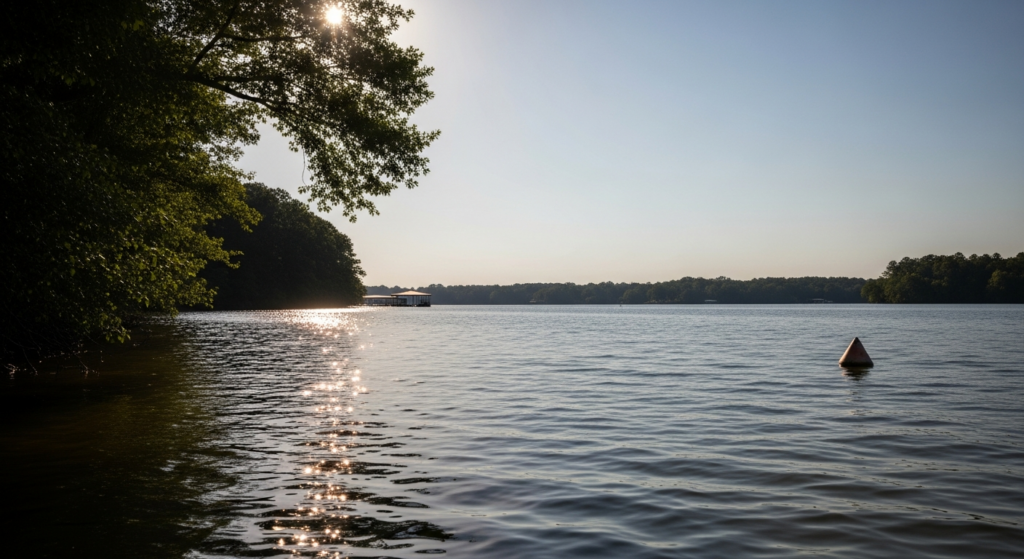
For the many residents of Irmo who frequent Lake Murray and the Lower Saluda River for recreational fishing, the allure of summer angling is undeniable. However, as August brings some of the year’s highest temperatures, prioritizing safety on the water becomes paramount. Proactive measures against heat and sun exposure are not merely recommendations but essential practices for mitigating risks and ensuring a safe and enjoyable experience in the Midlands waterways.
One of the most fundamental and often underestimated aspects of summer fishing safety is proper hydration. Anglers are strongly advised to begin their day well-hydrated, consuming a substantial amount of water even before leaving home. This proactive approach establishes a crucial baseline for the body’s fluid levels, which will be challenged by the intense August heat. Throughout the fishing excursion, consistent, small sips of water are far more effective than infrequent, large gulps. This method helps the body maintain a steady hydration level, preventing the sudden drops that can lead to fatigue and other heat-related issues.
Health guidelines suggest aiming for at least eight glasses of water daily for general well-being. However, when engaging in strenuous outdoor activities like fishing, particularly under the direct sun and high humidity characteristic of Irmo’s summer, this intake should increase significantly. Heavy sweating, an inevitable consequence of prolonged exposure, necessitates even greater fluid replenishment to compensate for lost water and electrolytes. To facilitate this, carrying a large, insulated water bottle is highly recommended, ensuring that water remains cool and palatable, encouraging more frequent consumption. Additionally, incorporating electrolyte tablets or sports drinks can be beneficial, as they help replace vital minerals such as sodium and potassium lost through sweat, offering a more comprehensive approach to hydration than water alone. Conversely, beverages containing caffeine or alcohol should be strictly avoided while fishing. Both act as diuretics, accelerating fluid loss and exacerbating dehydration, thereby counteracting any perceived hydration benefits.
Beyond internal hydration, protecting the skin from harmful ultraviolet (UV) radiation is critical. Anglers should apply a broad-spectrum sunscreen with a minimum Sun Protection Factor (SPF) of 30 to all exposed skin. This application should occur 15 to 30 minutes before heading outdoors, allowing the sunscreen to properly bind with the skin and form an effective barrier. Reapplication is equally important, ideally every two hours, or more frequently if sweating heavily or if contact with water has occurred, such as wading in the Lower Saluda River or handling fish. The reflective properties of water can intensify UV exposure, making diligent reapplication particularly crucial for those on Lake Murray.
Minimizing direct sun exposure during the peak hours of 10 AM to 4 PM is another key strategy. During this period, the sun’s rays are at their most intense, significantly increasing the risk of sunburn, skin damage, and heat-related illnesses. Anglers might consider scheduling their trips for early morning or late afternoon, when the sun is less severe. For those who must fish during peak hours, seeking shaded areas along the banks, utilizing boat canopies on Lake Murray, or fishing within the tree-lined sections of Harbison State Forest can provide crucial respite. Furthermore, wearing protective clothing such as wide-brimmed hats, long-sleeved shirts made from UV-protective fabric, neck gaiters, and polarized sunglasses provides a physical barrier against the sun, reducing the amount of skin directly exposed to harmful rays.
Understanding the signs and symptoms of heat-related illnesses is vital for self-care and for assisting fellow anglers. Heat exhaustion, a common precursor to more severe conditions, manifests through symptoms such as heavy sweating, general weakness, dizziness, nausea, headaches, and muscle cramps. If these symptoms appear, it is imperative to move immediately to a cooler, shaded area, rehydrate with water or an electrolyte drink, and cool the body with wet cloths or by splashing water. Loosening tight clothing and lying down with feet elevated can also aid recovery. Ignoring these warning signs can lead to a rapid escalation of the condition.
Untreated heat exhaustion can quickly progress to heat stroke, a medical emergency characterized by a body temperature of 103°F or higher, hot and dry skin (though sweating may still be present), confusion, throbbing headache, and unconsciousness. In such cases, immediate medical attention is required. Calling 911 is crucial, and while waiting for emergency services, efforts should be made to cool the individual rapidly. This can include immersing them in cool water, applying ice packs to the neck, armpits, and groin, or fanning them vigorously. Prompt recognition and intervention can be life-saving on the waters around Irmo.
A proactive approach to safety also includes diligent monitoring of weather conditions. Before embarking on any fishing trip, anglers should thoroughly check local weather forecasts, paying close attention to heat advisories, severe weather alerts for thunderstorms or high winds, and any warnings for sudden changes. For those fishing on Lake Murray, understanding tide charts and river conditions, particularly for the Lower Saluda River, is essential for safe navigation and to avoid unexpected currents or water level changes, which can be influenced by operations at Dominion Energy’s Dreher Shoals Dam. Utilizing a weather radio or a smartphone application with real-time alerts can provide critical updates while on the water. Sudden shifts in weather, common during Irmo’s summer months, can quickly turn a pleasant outing into a dangerous situation. Being prepared for such eventualities, including having a plan to seek shelter or return to shore, is a non-negotiable aspect of responsible angling.
Why it matters in Irmo
The health and safety of individuals enjoying Irmo’s natural assets, particularly Lake Murray and the Lower Saluda River, are directly impacted by adherence to these summer safety guidelines. These waterways are central to the community’s recreational life, attracting countless residents for fishing, boating, and other activities. By taking proactive steps against heat and sun exposure, anglers not only protect themselves but also reduce the burden on local emergency services and healthcare providers like Lexington Medical Center — Irmo Medical Park. Ensuring a safe environment on the water allows the community to continue enjoying these vital resources throughout the summer season without unnecessary risk, preserving the quality of life that draws many to the Irmo area.