An updated guide detailing comprehensive steps for protecting homes against severe weather has been made available, offering Irmo residents a structured approach to storm preparedness. Originally published in October 2025, the document received its latest revisions on May 27, 2026, reflecting current best practices for mitigating potential damage from adverse weather events.
The guide advocates for a phased preparation strategy, beginning with general maintenance activities two to three months before the typical storm season. This proactive approach aims to address underlying vulnerabilities that could be exacerbated by high winds or heavy rainfall. As a specific storm threat emerges, the recommendations escalate to a more focused protection plan, to be activated three to five days before the forecasted arrival. Final, critical actions are advised within the 24 hours leading up to a storm.
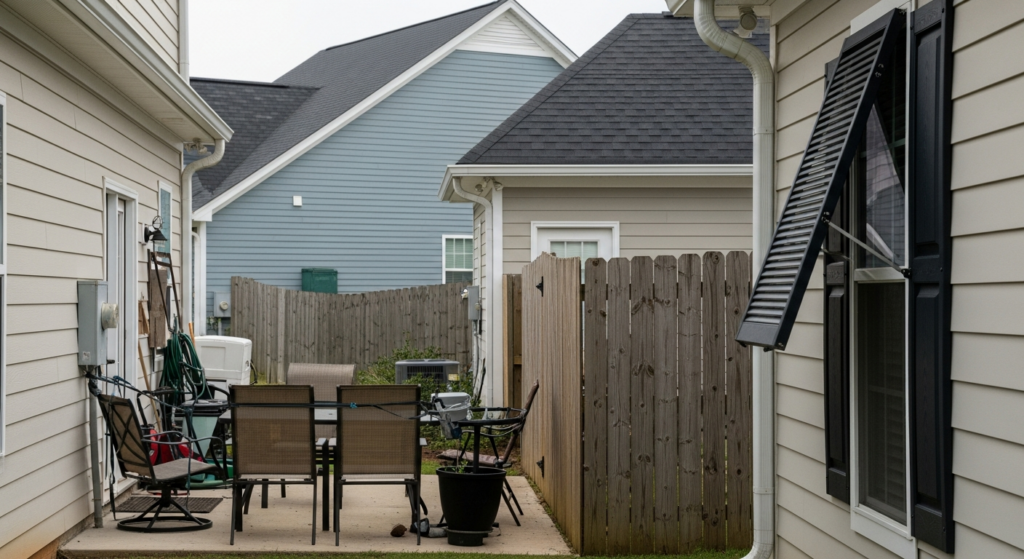
Exterior home preparation forms a significant component of the initial phase. Homeowners are advised to inspect their roofs for any loose or damaged shingles and to ensure gutters and downspouts are clear of debris. Properly functioning gutters are crucial for directing rainwater away from the home’s foundation. The guide specifically recommends ensuring downspout water is channeled at least five to ten feet away from the foundation to prevent water accumulation and potential structural issues. Tree maintenance is also emphasized, with a recommendation to trim branches that are within ten feet of the home or power lines, reducing the risk of falling limbs during high winds. Securing all loose outdoor items, such as patio furniture, grills, and decorative elements, is another key step to prevent them from becoming projectiles. Finally, a thorough check of windows and doors for proper sealing and integrity is advised.
Beyond the immediate exterior, the guide delves into ground-level and sub-surface considerations. It recommends ensuring the soil around the home is properly graded, sloping at least six inches over a ten-foot distance away from the foundation. This helps prevent water from pooling near the house. For homes with basements or crawl spaces, testing sump pumps is critical to confirm they are in working order. Identifying vulnerable entry points for water, such as cracks in foundations or poorly sealed window wells, is also part of this assessment. Checking basement and garage floor drains to ensure they are clear and functional can prevent interior flooding.
Assembling an emergency supply kit is a core recommendation, designed to sustain households for at least 72 hours in the event of power outages or limited access to services. This kit should include one gallon of water per person per day, non-perishable food items, flashlights, and a sufficient supply of batteries. First-aid supplies, any necessary medications, a battery-powered or hand-crank radio, and phone chargers are also essential. The guide also advises having a supply of cash on hand, as electronic payment systems may be unavailable, and pet supplies if applicable.
When a storm is specifically forecast, the guide outlines a series of immediate actions. These include bringing all outdoor items inside, installing shutters or plywood over windows and glass doors for protection, and placing sandbags in vulnerable areas to redirect floodwaters. Filling bathtubs and other containers with water can provide a reserve for sanitation purposes if the water supply is interrupted. Charging all electronic devices, filling vehicle fuel tanks, and moving valuable possessions to higher floors are also critical steps. Documenting the home’s condition with photographs or videos before the storm can be invaluable for insurance claims post-event.
The guide also clarifies situations where professional assistance is warranted. It advises seeking expert help for significant roof damage, dangerous or diseased trees that pose a fall risk, persistent foundation or water-seepage problems, and the installation or replacement of sump pumps. Electrical hazards, visible mold growth, structural damage, gas leaks, and downed power lines are all situations that require immediate professional intervention. Active water intrusion and sewage backups also necessitate expert attention to prevent further damage and health risks.
Why it matters in Irmo
Irmo, situated near Lake Murray and within the Saluda River Basin, is susceptible to severe weather events, particularly during the summer months when tropical systems can bring heavy rainfall and strong winds. The detailed storm preparation guide provides a critical resource for residents in neighborhoods like Yacht Cove, Beacon Point, and Regatta Shores, which are in proximity to water bodies and could be more vulnerable to flooding. Proactive measures outlined in the guide, such as proper grading and sump pump maintenance, are essential for protecting homes and infrastructure, including the critical operations of Dominion Energy at the Lake Murray dam. Adhering to these recommendations helps safeguard individual properties and contributes to the overall resilience of the Irmo community against the impacts of severe weather.