
Irmo, February 17, 2026
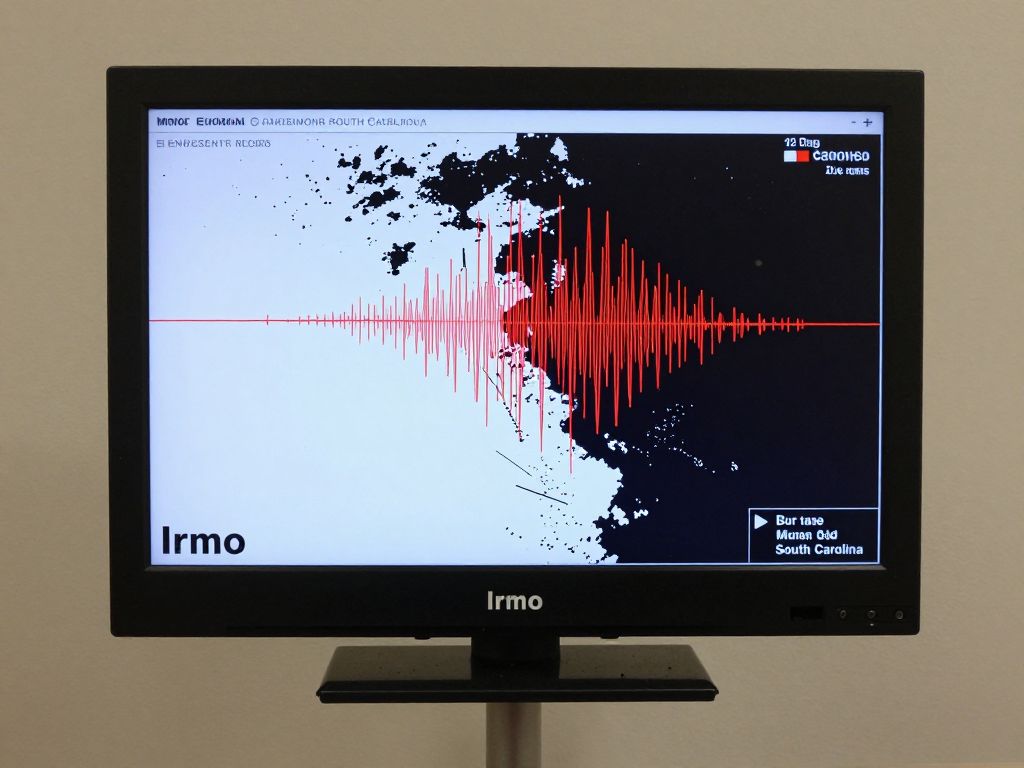
A series of minor earthquakes have been recorded near Irmo, South Carolina, including multiple tremors within a short span. The latest event was a 1.9 magnitude quake occurring early Tuesday. These seismic occurrences highlight ongoing geological activity in the Midlands, monitored closely by the U.S. Geological Survey (USGS). Residents are advised to stay informed about earthquake safety, as even minor quakes can catch them off guard.
Irmo, South Carolina
Recent Seismic Activity Shakes Irmo Area
A cluster of minor earthquakes has been reported near Irmo, South Carolina, within the last 48 hours, drawing attention to the ongoing seismic dynamics of the region. The most recent event occurred early Tuesday morning, with other tremors reported over the weekend. These occurrences highlight the continued seismic activity in the Midlands of South Carolina, as closely monitored by the U.S. Geological Survey (USGS).
Tuesday’s Latest Tremor
The latest seismic event, a 1.9 magnitude earthquake, was confirmed by the U.S. Geological Survey (USGS) near Irmo around 11:57 AM UTC on Tuesday, February 17, 2026. While classified as a minor quake, this tremor marks the continuation of a recent pattern of seismic events in the local area. Such small earthquakes are often characterized by subtle ground vibrations, which may or may not be noticed by residents depending on their proximity to the epicenter and current activity. The timely reporting by the USGS ensures that accurate information about these natural phenomena is quickly disseminated.
Preceding Events on Sunday
Just days prior to Tuesday’s quake, the Irmo area experienced additional seismic activity on Sunday, February 15, 2026. The U.S. Geological Survey initially reported a 2.8 magnitude earthquake in Irmo. This event was followed by another report of a 2.0 magnitude earthquake also near Irmo later on Sunday. This particular 2.0 magnitude event was noted as being the second earthquake in a three-day period to affect the region, indicating a concentrated series of seismic occurrences. The proximity in time and location of these events suggests a locally active fault system, a characteristic shared by many seismically active regions globally, though usually at much lower intensity in the Midlands of South Carolina.
Understanding Earthquake Magnitudes and Their Impact
Earthquake magnitudes are measured on a scale that quantifies the energy released at the earthquake’s source. The values reported for these recent Irmo earthquakes—1.9, 2.0, and 2.8—fall into the category of “minor” or “micro” earthquakes. Earthquakes below magnitude 3.0 are typically felt only by a limited number of people under very favorable conditions, such as being very close to the epicenter or in very quiet surroundings. They are usually too weak to cause any structural damage. The logarithmic nature of the magnitude scale means that each whole number increase represents a tenfold increase in the measured amplitude of seismic waves and approximately 32 times more energy released. Therefore, while a 2.8 magnitude quake is stronger than a 1.9 magnitude quake, both are considered very small events in seismic terms, generally posing no threat to public safety.
The Role of the U.S. Geological Survey
The U.S. Geological Survey (USGS) plays a vital role in monitoring, assessing, and researching earthquake hazards nationwide. Through a network of seismographs and advanced detection technologies, the USGS continuously tracks seismic activity, providing real-time data and notifications to emergency management agencies, scientists, and the public. For areas like South Carolina’s Midlands, where minor earthquakes occur periodically, this vigilant monitoring is essential for understanding long-term seismic patterns and for public awareness. The reports generated by the USGS help in distinguishing between isolated tremors and more persistent seismic trends, contributing to geological understanding and preparedness efforts.
Context of South Carolina’s Seismic Landscape
South Carolina has a history of seismic activity, with the most significant historical event being the 1886 Charleston earthquake. While such large-scale events are exceedingly rare, the state regularly experiences minor tremors, particularly in areas like the Midlands. These smaller earthquakes are a natural part of the geological processes occurring beneath the Earth’s surface. Scientists attribute these to stresses within the Earth’s crust that are released along pre-existing fault lines. The recent cluster of activity near Irmo is consistent with the background seismicity observed in the Carolinas. This ongoing activity, though minor, serves as a continuous reminder of the dynamic nature of our planet. Residents are generally encouraged to be aware of earthquake safety guidelines, even in regions where major quakes are uncommon.
Frequently Asked Questions
What was the latest earthquake reported in Irmo?
The latest seismic event reported near Irmo was a 1.9 magnitude earthquake around 11:57 AM UTC on Tuesday, February 17, 2026.
Were there other earthquakes recently in Irmo?
Yes, before Tuesday’s event, the Irmo area also experienced a 2.8 magnitude earthquake on Sunday, February 15, 2026. Additionally, a 2.0 magnitude earthquake was reported near Irmo late on Sunday, February 15, 2026.
What magnitudes were these earthquakes?
The earthquakes reported near Irmo include magnitudes of 1.9, 2.0, and 2.8.
Who reported these earthquakes?
The U.S. Geological Survey (USGS) reported these earthquakes.
Key Features of Recent Irmo Earthquakes
| Feature | Detail | Scope |
|---|---|---|
| Latest Earthquake | 1.9 magnitude near Irmo | State-level |
| Date/Time (Latest) | Tuesday, February 17, 2026, around 11:57 AM UTC | State-level |
| Previous Quakes | 2.8 magnitude in Irmo; 2.0 magnitude near Irmo | State-level |
| Date (Previous) | Sunday, February 15, 2026 (both) | State-level |
| Reporting Agency | U.S. Geological Survey (USGS) | State-level |
| Location | Irmo, South Carolina (Midlands region) | State-level |
| Classification | Minor/Micro earthquakes (magnitudes below 3.0) | State-level |
Deeper Dive: News & Info About This Topic
HERE Resources
Minor Earthquake Recorded Near Irmo, South Carolina
Minor Earthquake Detected Near Irmo, South Carolina
Minor Earthquake Recorded Near Irmo, South Carolina
Irmo Feels the Earth Move: Quake Shakes Local Residents
Recent Earthquakes Shake Midlands Region Near Irmo
Midlands Region of South Carolina Experiences Minor Earthquakes
Recent Earthquakes Rattle Lake Murray Area
Irmo, South Carolina Experiences Latest Seismic Activity
Irmo Community Reacts to Lake Murray Earthquake
Irmo Experiences 2.8 Magnitude Earthquake

Author: STAFF HERE IRMO
The IRMO STAFF WRITER represents the experienced team at HEREIrmo.com, your go-to source for actionable local news and information in Irmo, Lexington and Richland Counties, and beyond. Specializing in "news you can use," we cover essential topics like product reviews for personal and business needs, local business directories, politics, real estate trends, neighborhood insights, and state news affecting the area—with deep expertise drawn from years of dedicated reporting and strong community input, including local press releases and business updates. We deliver top reporting on high-value events such as the Irmo Okra Strut Festival, Harbison Community Events, and local sports tournaments at the Palmetto Health Credit Union Foundation Stadium. Our coverage extends to key organizations like the Irmo Chapin Recreation Commission and the Lexington Chamber and Visitors Center, plus leading businesses in retail and healthcare that power the local economy such as Village at Sandhill and Lexington Medical Center. As part of the broader HERE network, including HEREAiken.com, HEREBeaufort.com, HEREChapin.com, HERECharleston.com, HEREClinton.com, HEREColumbia.com, HEREGeorgetown.com, HEREGreenwood.com, HEREGreenville.com, HEREHiltonHead.com, HEREIrmo.com, HEREMyrtleBeach.com, HERENewberry.com, HERERockHill.com, and HERESpartanburg.com, we provide comprehensive, credible insights into South Carolina's dynamic landscape.