

How to Identify Energy-Efficient Roofing Solutions for Hot Climates: A DIY Guide
Introduction
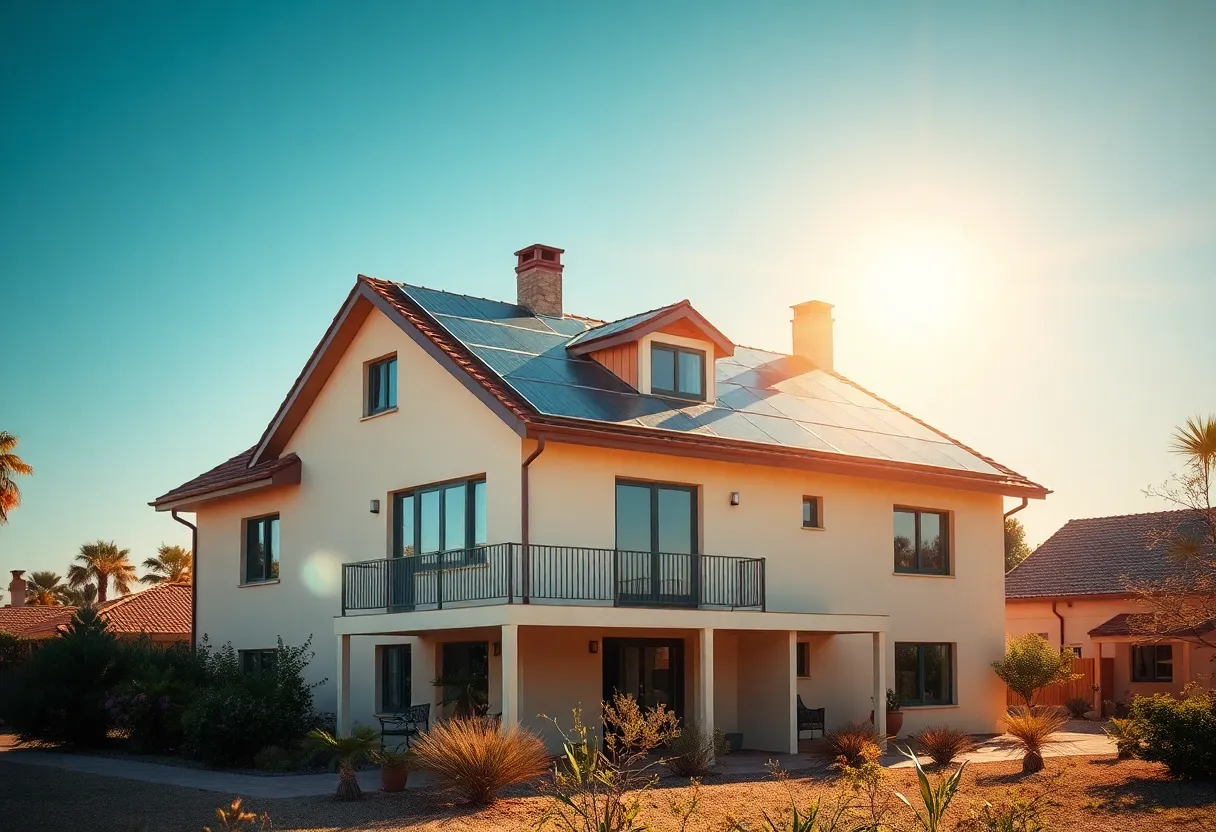
Choosing the right roofing material is crucial in hot climates. Energy-efficient roofing solutions can significantly reduce cooling costs, prolong roof life, and enhance indoor comfort. This guide provides essential insights into identifying energy-efficient roofing solutions tailored for regions with elevated temperatures.
Understand the Hot Climate Roofing Basics
Hot climates present unique challenges. A roofing system must reflect sunlight, withstand thermal expansion, and provide insulation. Here are critical aspects to consider:
1. Solar Reflectivity
Roof materials must have high solar reflectivity, which defines how much sunlight the material can reflect back into the atmosphere. Materials with high solar reflectance help in lowering cooling costs by keeping interiors cooler. Look for materials with a reflectivity rating above 0.65.
2. Thermal Emittance
Along with reflectivity, the capability of the roofing material to release absorbed heat back into the atmosphere is essential. A high thermal emittance rating (above 0.90) means that, once the sun sets, the roof will release heat effectively—keeping your home comfortable even during the night hours.
3. Insulation Value
Good insulation is pivotal in hot climates. It minimizes heat transfer from the roof into your home. Check the R-value of roofing materials; a higher R-value signifies better insulating properties.
Types of Energy-Efficient Roofing Materials
Selecting the right material can dramatically impact your roof’s efficiency. Here are common materials used in hot climates:
1. Cool Roofing Systems
Cool roofs are designed to reflect more sunlight and absorb less heat. They include:
- Reflective Shingles: These are asphalt shingles infused with reflective granules that help decrease heat absorption.
- White and Light-Colored Roofs: Light-colored materials reflect more sunlight compared to darker alternatives.
- Reflective Coatings: Coatings applied over existing roofs can enhance reflectivity without a complete roof replacement.
2. Metal Roofing
Metal roofs are highly durable and excellent at reflecting solar rays. Their longevity and minimal maintenance requirements make them a cost-effective option over time. Metal also cools rapidly in the evening, contributing to lower energy consumption.
3. Tile Roofing
Clay and concrete tiles are natural insulators. Their thermal mass helps keep a building cool. A properly ventilated roof system enhances these properties, allowing heat to dissipate effectively.
4. Green Roofs
Green roofs, or living roofs, involve the installation of vegetation on rooftops. They provide significant insulation, reduce heat absorption, and offer additional benefits such as stormwater management and enhanced aesthetic appeal. However, they necessitate a solid, supportive structure and careful maintenance.
Evaluating Your Options
Before making a decision, evaluate the options based on critical factors:
1. Climate and Location
Understanding your specific climate zone helps in selecting the appropriate roofing material. For instance, coastal areas may require weatherproof materials, while arid zones may prioritize insulation.
2. Energy Efficiency Rating
Investigate the energy efficiency ratings of the materials. Look for Energy Star certifications, which confirm that the product meets specific energy efficiency standards.
3. Cost vs. Benefit Analysis
Consider the initial costs against long-term savings on energy bills. While some materials may have a higher upfront cost, the cumulative savings over the roof’s life can justify the expense.
How to Perform a Roof Evaluation
Assessing your current roof can provide insight into whether it’s necessary to upgrade to a more energy-efficient option. Follow these steps:
1. Inspect for Damage
Check for visible signs of wear, such as cracked tiles, missing shingles, or rusted metal. Damaged roofs are less effective in insulating and can lead to higher energy usage.
2. Evaluate Existing Insulation
Assess the insulation material and check its R-value. If it falls below recommended levels, it may be time for an upgrade.
3. Check Ventilation Systems
Poor ventilation can trap heat within the attic, leading to increased cooling demands. Inspect vents to ensure air circulation is adequate.
DIY Installation vs. Professional Help
Depending on the complexity of the installation, you may consider a DIY approach or hiring professionals. Here are pros and cons of each:
1. DIY Installation
Pros: Cost savings and hands-on experience. Cons: Potential for mistakes if you lack roofing experience, which could lead to inefficiencies and additional costs down the line.
2. Professional Installation
Pros: Expertise, warranty on work, and ensured adherence to local building codes. Cons: Higher upfront costs.
Maintenance of Energy-Efficient Roofs
A new roof will only maintain its energy efficiency if properly maintained. Follow these maintenance tips:
1. Routine Inspections
Conduct regular roof inspections to identify potential issues early. Look for loose shingles, gaps in seals, and debris accumulation.
2. Clean Gutters
Keep gutters free of debris to prevent water build-up, which can lead to roof damage and insulation issues.
3. Trim Overhanging Branches
Tree branches can create shading and debris accumulation. Regularly trim branches to ensure that sunlight can reflect off the roof effectively.
Conclusion
Identifying energy-efficient roofing solutions for hot climates involves understanding materials, evaluating options, and considering maintenance. Implementing the right roofing solution can yield significant savings in energy bills while providing comfort and durability. With careful planning and evaluation, you can make an informed decision that benefits your home and the environment.

Author: STAFF HERE IRMO
The IRMO STAFF WRITER represents the experienced team at HEREIrmo.com, your go-to source for actionable local news and information in Irmo, Lexington and Richland Counties, and beyond. Specializing in "news you can use," we cover essential topics like product reviews for personal and business needs, local business directories, politics, real estate trends, neighborhood insights, and state news affecting the area—with deep expertise drawn from years of dedicated reporting and strong community input, including local press releases and business updates. We deliver top reporting on high-value events such as the Irmo Okra Strut Festival, Harbison Community Events, and local sports tournaments at the Palmetto Health Credit Union Foundation Stadium. Our coverage extends to key organizations like the Irmo Chapin Recreation Commission and the Lexington Chamber and Visitors Center, plus leading businesses in retail and healthcare that power the local economy such as Village at Sandhill and Lexington Medical Center. As part of the broader HERE network, including HEREAiken.com, HEREBeaufort.com, HEREChapin.com, HERECharleston.com, HEREClinton.com, HEREColumbia.com, HEREGeorgetown.com, HEREGreenwood.com, HEREGreenville.com, HEREHiltonHead.com, HEREIrmo.com, HEREMyrtleBeach.com, HERENewberry.com, HERERockHill.com, and HERESpartanburg.com, we provide comprehensive, credible insights into South Carolina's dynamic landscape.
 Mays Contracting