
How to Choose the Perfect Roof Safety Gear for Your DIY Project
When tackling any DIY project involving roofs, safety should be your top priority. The risk of falls is significant, making it critical to choose the right safety gear. The objective of this article is to guide you in selecting the appropriate roof safety gear for your project, ensuring a secure working environment.
Understanding Roof Safety Gear
Roof safety gear encompasses various items designed to safeguard workers from falls and other accidents. This includes personal protective equipment (PPE), harnesses, helmets, and safety lines. Familiarizing yourself with these products is the first step in ensuring safety.
Key Equipment for Roof Safety
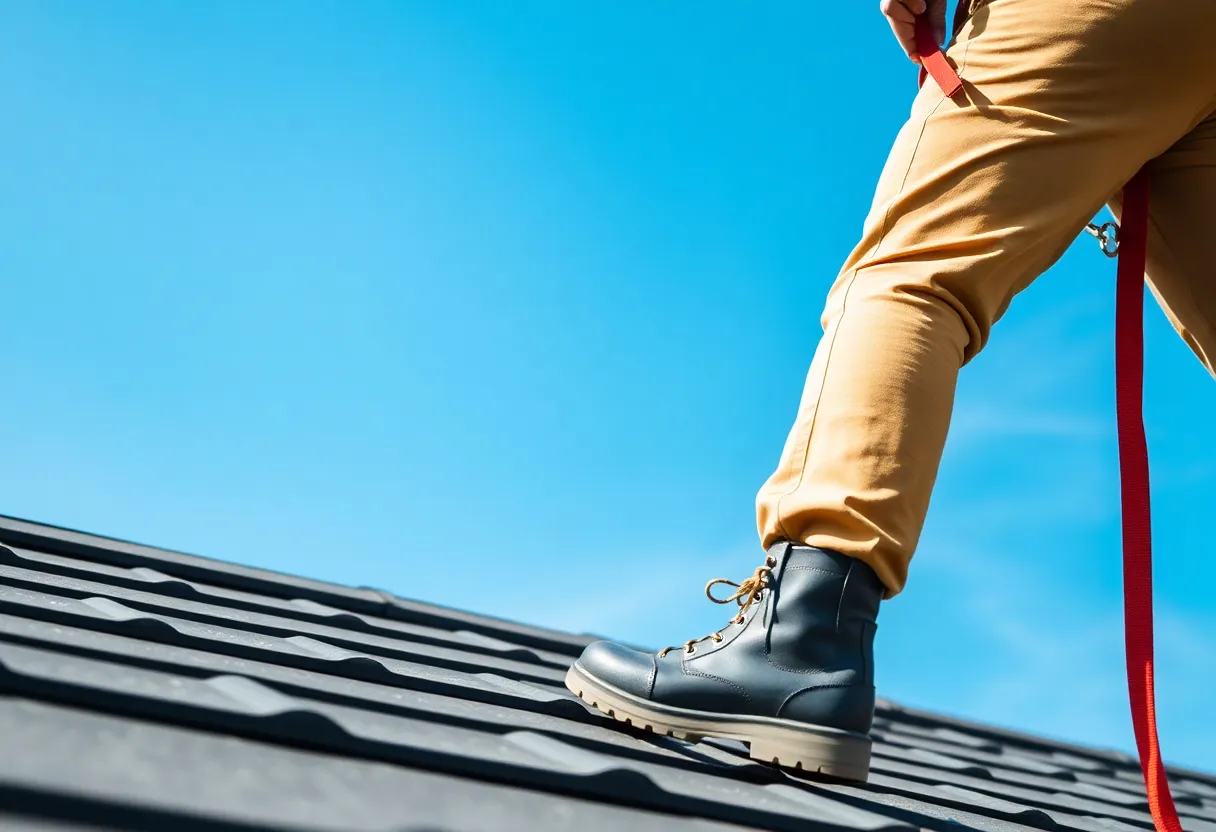
- Safety Harnesses: A safety harness is designed to distribute fall forces over the body, protecting you in case of an unexpected fall. It is essential to choose a harness certified by reputable safety standards.
- Helmets: A hard hat is vital for protecting your head from falling debris. Look for a helmet that meets safety standards and fits comfortably.
- Safety Lines: Safety lines or lanyards connect your harness to a secure anchor point. They should be adjustable and made of durable materials.
- Non-Slip Boots: Proper footwear is crucial for maintaining stable footing on sloped surfaces. Invest in boots with good traction and ankle support.
Factors to Consider When Choosing Safety Gear
1. Compliance with Safety Standards
All safety gear must comply with local and national safety standards. Check for certifications from organizations such as ANSI (American National Standards Institute) or OSHA (Occupational Safety and Health Administration). This ensures that the equipment you are using has been tested for reliability.
2. Fit and Comfort
Size matters when it comes to safety gear. Gear that is too tight or too loose can hinder your movement and be uncomfortable. Take accurate measurements of your body and compare them to size charts provided by manufacturers. Wearing comfortable gear enables you to focus on your work, enhancing safety.
3. Material Quality
Selecting gear made from high-quality materials is essential for durability and safety. Look for materials that can withstand wear and tear, including weather conditions you may encounter while working on the roof.
4. Intended Use
Consider the specific tasks you will perform on the roof. Are you installing shingles, repairing leaks, or conducting inspections? Each task may require different safety gear tailored to those activities. For instance, a roof repair job may necessitate different equipment than general maintenance.
5. Weight and Portability
When working on a roof, ease of movement is critical. Lightweight gear can make a big difference in how effectively you can navigate the workspace. Make sure the gear is portable, especially if you need to haul it to various job sites.
Top Brands and Alternatives
Though it is important not to endorse specific brands, some manufacturers are known for their quality in safety equipment. Research brand reputations through reviews and testimonials. Look for gear that has received positive feedback from previous users, especially in your local region.
Budget Considerations
Setting a budget is a vital part of planning. High-quality safety gear usually comes at a higher price, but investing in reliable gear can save you money in the long run by preventing accidents and injuries. Compare prices from various retailers and consider purchasing gear as a package for savings.
Training and Best Practices
Alongside physical safety gear, training in the proper use of equipment is crucial. Undertaking safety training courses will help you understand the correct usage of your gear. This can dramatically reduce risks associated with working at height.
Best Practices Include:
- Always inspect your gear before use to identify any wear or damage.
- Ensure that all connections are secure.
- Maintain a clean work environment to prevent slips and falls.
Conclusion
Selecting the perfect roof safety gear for your DIY project is a critical component of ensuring your safety. By understanding the equipment available, considering essential factors like safety standards and fit, and investing in quality materials, you set yourself up for a successful and secure project. Remember, no task is too small to prioritize safety, so gear up correctly before heading to the roof.

Author: STAFF HERE IRMO
The IRMO STAFF WRITER represents the experienced team at HEREIrmo.com, your go-to source for actionable local news and information in Irmo, Lexington and Richland Counties, and beyond. Specializing in "news you can use," we cover essential topics like product reviews for personal and business needs, local business directories, politics, real estate trends, neighborhood insights, and state news affecting the area—with deep expertise drawn from years of dedicated reporting and strong community input, including local press releases and business updates. We deliver top reporting on high-value events such as the Irmo Okra Strut Festival, Harbison Community Events, and local sports tournaments at the Palmetto Health Credit Union Foundation Stadium. Our coverage extends to key organizations like the Irmo Chapin Recreation Commission and the Lexington Chamber and Visitors Center, plus leading businesses in retail and healthcare that power the local economy such as Village at Sandhill and Lexington Medical Center. As part of the broader HERE network, including HEREAiken.com, HEREBeaufort.com, HEREChapin.com, HERECharleston.com, HEREClinton.com, HEREColumbia.com, HEREGeorgetown.com, HEREGreenwood.com, HEREGreenville.com, HEREHiltonHead.com, HEREIrmo.com, HEREMyrtleBeach.com, HERENewberry.com, HERERockHill.com, and HERESpartanburg.com, we provide comprehensive, credible insights into South Carolina's dynamic landscape.
 Mays Contracting