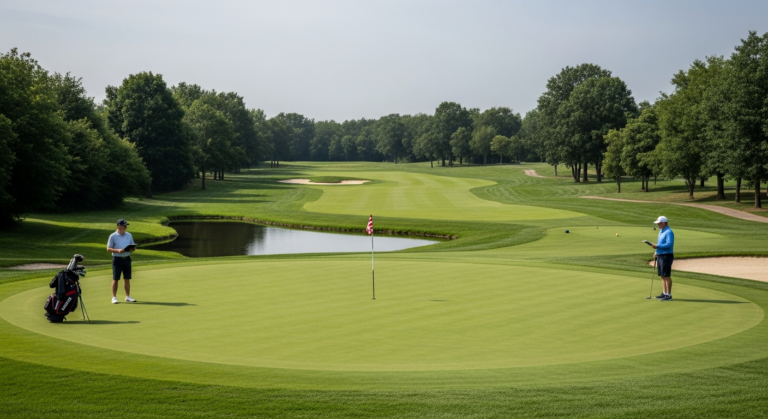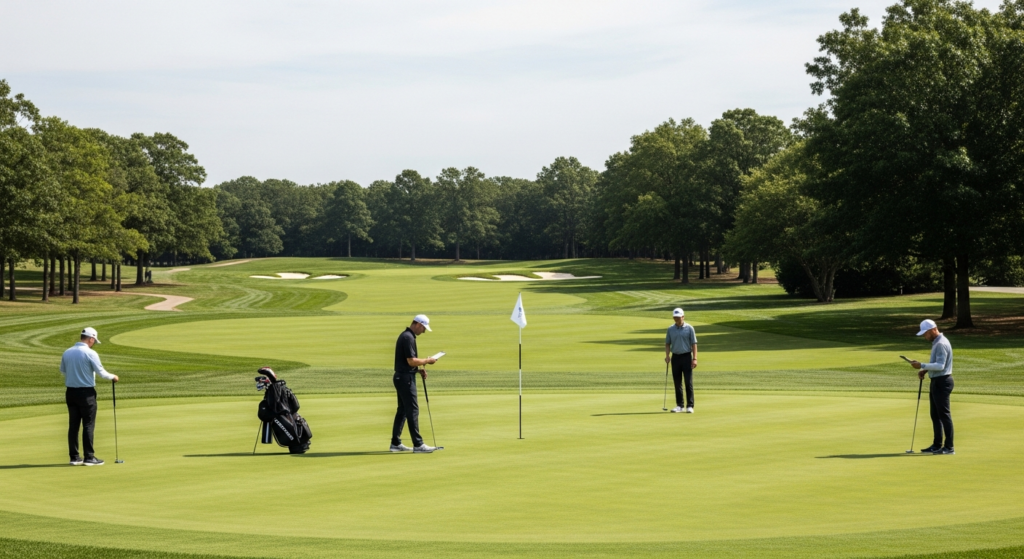
A comprehensive guide outlining essential golf course etiquette has been developed to enhance player experience and preserve course conditions across various courses, including those frequented by residents of Irmo. The manual, designed to introduce players to fundamental etiquette before they step onto a course, aims to maximize enjoyment, improve the condition of playing surfaces, and promote safety for everyone on the links.
One of the primary areas addressed by the manual is appropriate attire. It advises players to always check specific dress codes for the course they intend to play, as requirements can vary significantly between private clubs and public facilities. When in doubt, the guide recommends a collared shirt and slacks as a safe and widely accepted standard. Conversely, it explicitly advises against wearing jeans, tank tops, short shorts, or T-shirts, which are generally considered unsuitable for most golf environments. Footwear is also detailed, with soft-spiked golf shoes typically recommended for optimal grip and turf protection. While sneakers, athletic shoes, and golf sandals may be permitted at some courses, players are encouraged to verify this in advance to avoid any issues upon arrival.
Cell phone use is another area where etiquette guidelines are increasingly important. The manual notes that many private courses, and even some public ones, maintain strict policies prohibiting cell phone use on the premises to preserve the tranquil atmosphere of the game. Other courses may restrict phone usage to designated areas, such as the clubhouse or parking lot. For those who carry a phone onto the course, the guide strongly recommends keeping it on vibrate mode to avoid disturbing other players during their rounds. The overarching principle is to minimize distractions and maintain focus on the game.
On-course conduct is central to golf etiquette, and the manual identifies two cardinal rules that underpin respectful play. First, players are instructed to remain motionless and quiet while another player is making a stroke. This ensures that the player can concentrate fully without external disturbances, which is crucial for fair play and accurate execution. Second, the guide emphasizes the importance of maintaining a courteous and composed demeanor throughout the round. This includes avoiding displays of frustration such as club abuse, refraining from foul language, and limiting constant complaints, all of which can detract from the enjoyment of the game for playing partners and other groups on the course.
Pace of play is a critical component of course management and player satisfaction. The manual states that most 18-hole courses are designed to be played in four hours or less by a group of four players, provided that groups maintain the correct pace. To facilitate this, players are advised to be ready to hit when it is their turn, avoid excessive practice swings, and move promptly between shots and holes. A key recommendation for maintaining flow on the course is to invite following groups to play through if a group falls out of position and is holding up play. This simple act of courtesy ensures that the course remains enjoyable for everyone and prevents bottlenecks.
Safety is paramount on any golf course, and the manual provides clear instructions to prevent accidents. Players are strictly advised to avoid swinging a club when there is any possibility that another person could be struck, whether by the club itself or a stray ball. It is also crucial to wait until players ahead are well out of range before hitting a shot, particularly on longer holes. In the event that a ball is hit offline and may strike someone, the guide instructs players to immediately shout “FORE!” loudly and clearly to warn those in harm’s way. These measures are designed to protect all individuals on the course from potential injury.
Beyond personal conduct, players also bear a responsibility for course maintenance and preservation. The manual outlines several practices to help keep the course in excellent condition. This includes replacing divots, which are pieces of turf dislodged during a swing, and repairing ball marks on the putting greens. Additionally, players are expected to rake bunkers after hitting from them, smoothing out any disturbances to leave the sand ready for the next player. Cart rules are also emphasized: players should keep golf carts away from greens, tees, wet areas, and steep slopes to prevent damage to the turf and ensure safety.
To further assist new players, the manual defines key golf terms that are essential for understanding the game and its rules. These include ‘bunker’ (a hazard, typically a sand-filled depression), ‘casual water’ (any temporary accumulation of water on the course that is not in a water hazard), ‘ground under repair’ (an area designated by the course as abnormal ground condition from which relief is allowed), ‘line of putt’ (the path a ball is expected to take to the hole), ‘out of bounds’ (areas outside the course boundaries where play is not permitted), ‘putting green’ (the area specially prepared for putting), ‘stroke’ (the forward movement of the club made with the intention of striking the ball), ‘teeing ground’ (the starting place for the hole), and ‘through the green’ (the entire area of the course except the teeing ground and putting green of the hole being played and all hazards).
Why it matters in Irmo
For residents of Irmo, understanding and adhering to golf etiquette is crucial for enhancing the experience at local and regional golf courses. With Lake Murray nearby and several golf facilities accessible in Lexington County, many Irmo residents enjoy the sport. Proper etiquette ensures that these courses, which represent significant investments in recreation and community amenities, remain well-maintained and enjoyable for everyone. Adherence to guidelines on pace of play, course preservation, and respectful conduct directly contributes to the longevity and quality of these facilities, benefiting all who participate in the game in the Irmo area. It fosters a positive environment, reflecting well on the community’s commitment to sportsmanship and shared public spaces.