As the 2026 hunting season approaches, prospective hunters in Irmo and the surrounding Lexington County area are encouraged to familiarize themselves with the foundational requirements and best practices for a safe and ethical experience. A recent preparation guide emphasizes that success for a first-time hunter extends beyond securing game, focusing instead on developing safe, legal, ethical, and practical hunting skills.
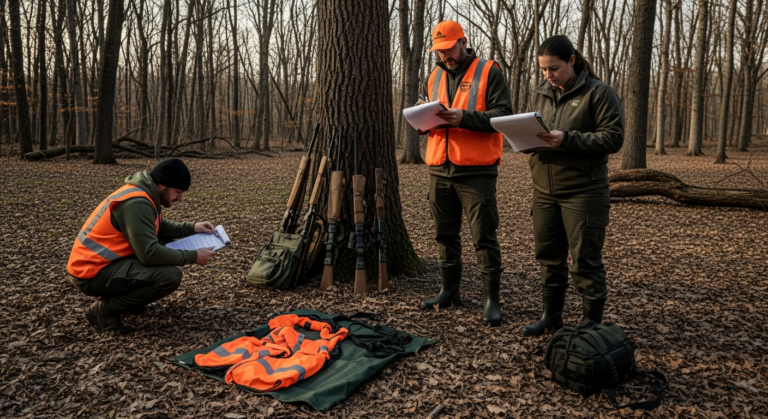
One of the initial and most critical steps for any new hunter is completing a state-approved hunter education course. These courses are designed to instill essential knowledge and skills, covering topics such as firearm or archery safety, principles of fair chase, wildlife identification, establishing safe zones of fire, basic survival techniques, first aid, and specific local regulations. Course formats can vary, with options including traditional classroom instruction complemented by a field day, online coursework followed by an in-person field day, or, in some states, fully online instruction for adult learners. These educational programs are fundamental to ensuring that hunters understand their responsibilities and the legal framework governing hunting activities.
Beyond education, securing the correct legal documentation is paramount. Hunters must obtain the appropriate hunting license and species-specific tags before participating in any hunt. Regulations regarding licenses, season dates, permissible weapons, minimum calibers or draw weights, bag limits, and tagging or reporting requirements are highly variable. These rules can differ significantly by state, specific game management unit, species targeted, weapon type, and even the animal’s sex or age. For high-demand species or areas, hunters may need to apply through lottery systems, while other tags might be available for over-the-counter purchase. It is crucial to confirm current state regulations, as relying on outdated information can lead to legal infractions.
Access to hunting land is another vital consideration. Hunters must secure legal hunting access, whether through public lands or private property. For private land, obtaining written or electronic permission from the landowner is a non-negotiable requirement. For public lands, hunters must research and understand specific restrictions and boundaries that apply to those areas. Harbison State Forest, a significant natural resource near Irmo, offers various recreational opportunities, and understanding its specific hunting regulations, if applicable, would be a local example of this necessity.
Equipping oneself properly is a significant aspect of preparation, with costs varying based on new versus used gear. An entry-level rifle paired with a basic scope can range from approximately $450 to $800 new, or $300 to $500 for used options. A shotgun suitable for deer or small game might cost between $350 and $700 new, or $250 to $450 used. For archery enthusiasts, a compound bow package with accessories typically falls in the $400 to $900 range new, with used packages available for $250 to $500. Essential clothing and footwear, such as broken-in waterproof boots and layered non-cotton clothing, represent an additional investment of $200 to $400 new, or $100 to $250 for budget-conscious selections. Entry-level binoculars are also recommended, costing $100 to $250 new, or $75 to $150 used.
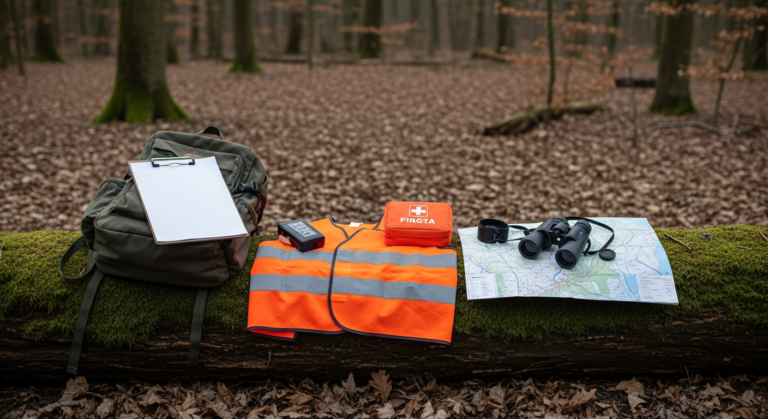
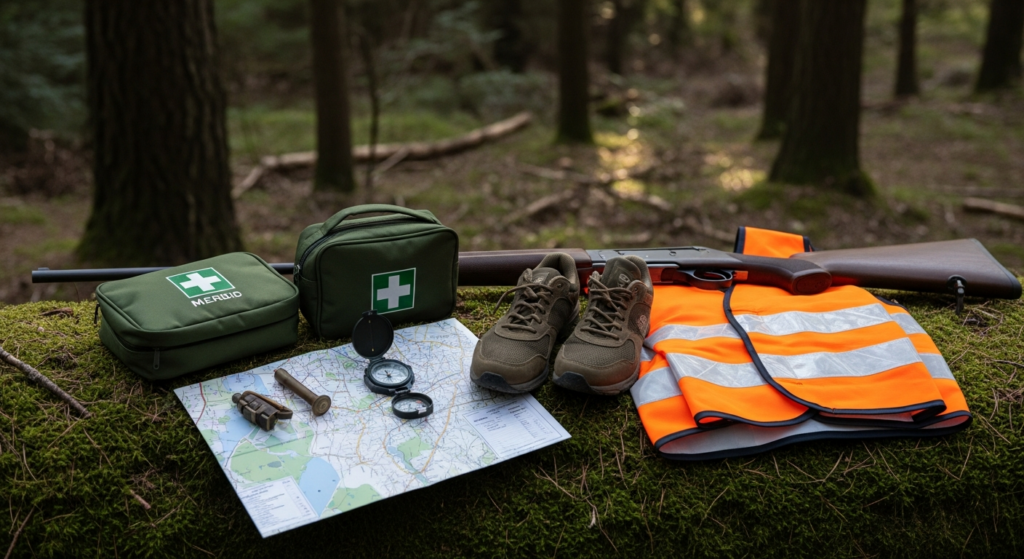
Beyond the weapon, a basic gear list includes practice equipment, licenses and tags, hunter orange where mandated by law, a day pack, sufficient water, high-calorie snacks, a headlamp with extra batteries, a knife, and a comprehensive first-aid kit. Practicing with one’s chosen weapon until a reliable field-position shot is consistently achievable is strongly advised. Leaving a detailed itinerary with someone before each hunt is a critical safety measure, ensuring that others know your planned location and return time.
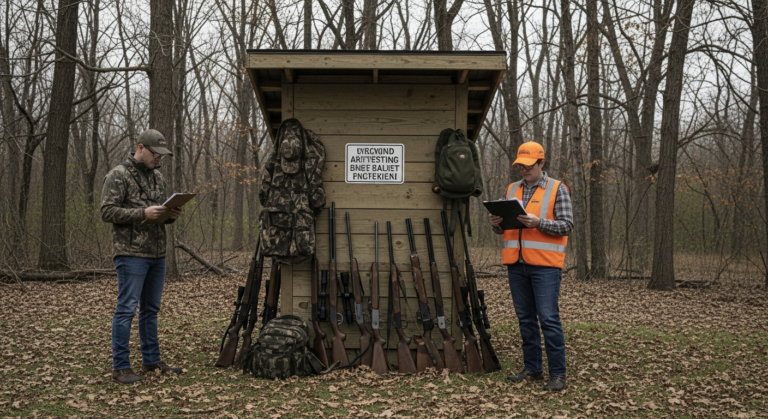
Safety protocols, particularly concerning firearms, are non-negotiable. The guide emphasizes four fundamental firearm safety rules: always treat every firearm as if it were loaded, always keep the muzzle pointed in a safe direction, keep your trigger finger off the trigger until you are ready to shoot, and always be sure of your target and what is in front of and beyond it. For hunters utilizing elevated stands, additional safety measures are required, including the use of a full-body safety harness, a lineman’s belt, a lifeline, regular stand inspections, and a haul line for safely raising and lowering unloaded weapons.
Fieldcraft extends to post-shot procedures. After taking a shot, hunters are advised to carefully observe the animal’s reaction and mark its last known location. Depending on the situation, waiting for an appropriate period before tracking can be beneficial. Tracking should commence at the hit site, following signs slowly and methodically. If tracking proves difficult, seeking assistance from experienced individuals is recommended. Once the animal is recovered, it must be tagged as required by state regulations. Prompt cooling and cleaning of the meat are essential for preservation, and state rules for carcass or quarter transport must be strictly followed.
For first-time hunters, the guide offers a realistic perspective on the initial season. It notes that common experiences include early mornings, extended periods without seeing game, missed opportunities, and making mistakes. The emphasis is on the learning process and the development of safe, legal, and ethical hunting skills, rather than solely on filling a tag. Beginning with a mentor, if possible, can provide invaluable guidance. Maintaining a hunting journal to record location, wind conditions, weather, observations, and lessons learned can also contribute significantly to a new hunter’s development.
Why it matters in Irmo
For residents of Irmo, understanding the intricacies of hunting preparation is crucial for safely and responsibly engaging with the region’s natural resources. With proximity to significant natural areas like Lake Murray and Harbison State Forest, hunting is a recreational pursuit for many in Lexington County. Proper education and adherence to regulations ensure the sustainability of local wildlife populations and the safety of all outdoor enthusiasts. Furthermore, the purchase of necessary gear, from firearms and bows to specialized clothing and optics, supports local retailers along corridors such as Harbison Boulevard, contributing to the economic vitality of the Irmo area. Institutions like Lexington-Richland School District Five and Midlands Technical College — Harbison Campus, while not directly offering hunting courses, serve communities whose members may participate in these activities, underscoring the broad relevance of safe and informed hunting practices within the Irmo community. This guide provides a framework for new participants to engage in this tradition responsibly.