As recreational fishing remains a popular summer activity for many in the Irmo area, a newly disseminated safety guide emphasizes the importance of vigilance against environmental hazards. The recommendations cover a range of precautions, from mitigating sun exposure and ensuring adequate hydration to recognizing signs of heat-related illnesses and properly maintaining fishing equipment.
One of the primary concerns for anglers is sun exposure. The guide highlights that the sun’s ultraviolet (UV) rays are most intense between 10 AM and 4 PM, a period when many may be on the water. Compounding this risk, water surfaces can reflect up to 15% of UV radiation, increasing overall exposure. To counter this, the guide strongly recommends using broad-spectrum sunscreen with a minimum Sun Protection Factor (SPF) of 30. For individuals anticipating extended periods on the water, an SPF of 50+ is advised. Effective application involves applying sunscreen 30 minutes before heading outdoors and reapplying it every two hours. More frequent reapplication is necessary after sweating heavily or after water contact, such as splashing or swimming.
Beyond topical protection, physical barriers are crucial. Lightweight, long-sleeved clothing with an Ultraviolet Protection Factor (UPF) rating is recommended to shield the skin. A wide-brimmed hat, offering at least four inches of coverage around the head and neck, provides additional protection. Polarized sunglasses that block 100% of UV rays are also essential, not only to protect eye health but also to reduce glare off the water, which can improve visibility and reduce eye strain.
Maintaining proper hydration is another cornerstone of summer safety, especially during active fishing. The guide advises drinking at least eight ounces of water every 15 to 20 minutes. This consistent intake helps to replenish fluids lost through perspiration and prevent dehydration. Conversely, beverages high in caffeine or alcohol are discouraged, as they can act as diuretics and contribute to fluid loss, exacerbating the risk of dehydration in hot conditions.
Understanding and recognizing the symptoms of heat-related illnesses is vital for prompt intervention. The guide distinguishes between heat exhaustion and heat stroke, two conditions that can escalate rapidly. Signs of heat exhaustion include heavy sweating, general weakness, nausea, headaches, and muscle cramps. If these symptoms appear, individuals should move to a cooler environment, rest, and rehydrate. Heat stroke, a more severe and life-threatening condition, manifests with a body temperature exceeding 103°F, an altered mental state (such as confusion or disorientation), hot and dry skin (despite the internal heat), a rapid pulse, and potentially unconsciousness. Immediate medical attention is critical for suspected heat stroke cases.
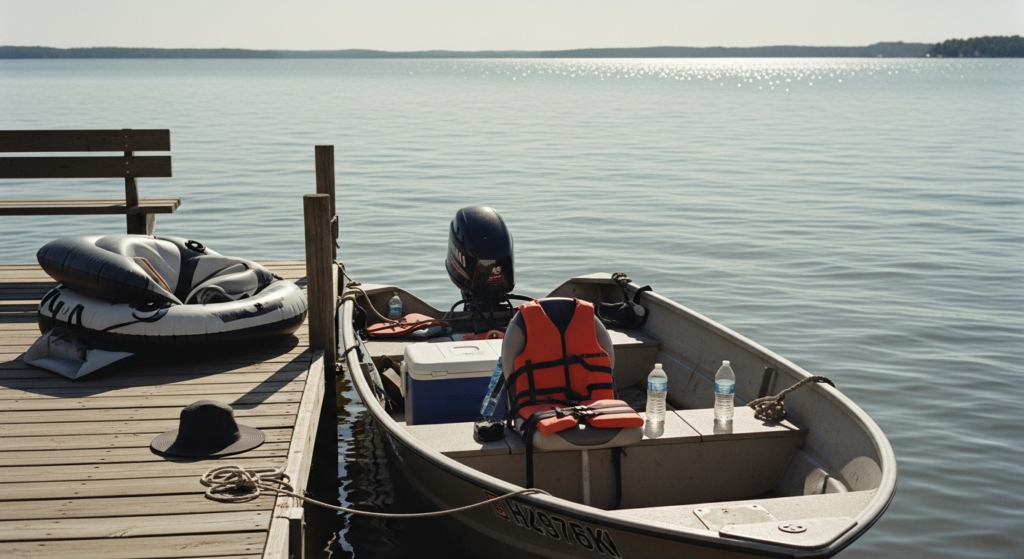
For those venturing onto Lake Murray or other larger bodies of water in a boat, specific safety protocols are outlined. Before departure, checking the engine cooling system is a fundamental step to prevent mechanical failures that could leave anglers stranded. Filing a float plan with a trusted contact, detailing the intended route, duration, and number of people on board, provides a crucial safety net. In case of an emergency, this plan ensures that authorities or contacts know where to begin a search. Carrying extra water is paramount; the guide recommends at least one gallon of water per person per day for emergency situations. Additionally, a VHF radio is advised as a reliable means of communication, often more effective than cell phones in remote areas or during emergencies on the water.
Equipment care also plays a role in safety and successful fishing. Direct sunlight and high temperatures can degrade fishing gear. Protecting equipment from prolonged exposure to the sun is recommended. Fishing lines, particularly monofilament and fluorocarbon varieties, are susceptible to weakening from heat and UV exposure, necessitating more frequent checks for integrity. Braided lines, by contrast, tend to be more UV-resistant and may offer a more durable option for summer fishing conditions.
Why it matters in Irmo
For residents of Irmo, these safety guidelines are particularly pertinent given the community’s proximity to Lake Murray, a central hub for recreational activities, including fishing. The health and safety of individuals enjoying the lake directly impact local emergency services, including those provided by Lexington Medical Center, which serves the Irmo area. Furthermore, the responsible use of Lake Murray, overseen in part by entities like Dominion Energy, which manages the Dreher Shoals Dam, ensures the continued enjoyment of this vital natural resource. Adhering to these safety measures not only protects individual anglers but also contributes to a safer and more sustainable recreational environment for everyone in Irmo and the surrounding Midlands region.