With deer hunting season on the horizon, hunters in and around Irmo are engaging in a methodical preparation process, ensuring their equipment is in peak condition and their strategies are refined. A comprehensive checklist outlines critical steps for weapon inspection, gear maintenance, and strategic planning, aiming to maximize safety and success in the field.
One of the initial and most crucial steps involves a thorough inspection of hunting weapons. For archers, this means meticulously examining bows for any signs of wear or damage. Attention should be paid to the limbs, cams, and strings; any worn or separated components must be addressed immediately. Regular waxing of bowstrings is recommended to prolong their life and maintain performance. Furthermore, any questionable components should be replaced without hesitation to prevent failures in the field. Beyond equipment checks, consistent practice is vital, with hunters encouraged to shoot regularly to build and maintain accuracy and consistency.
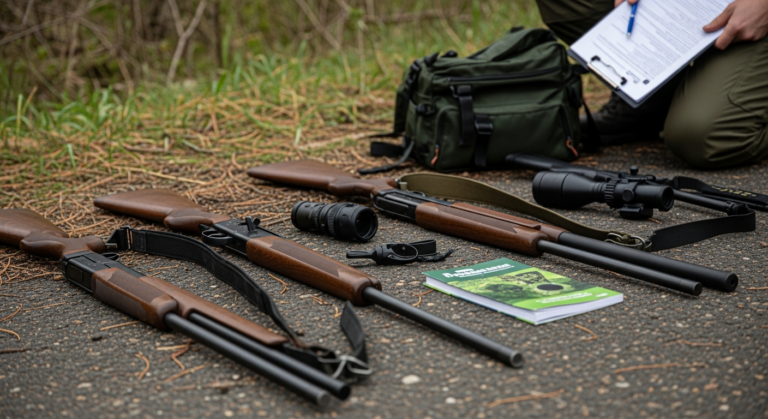
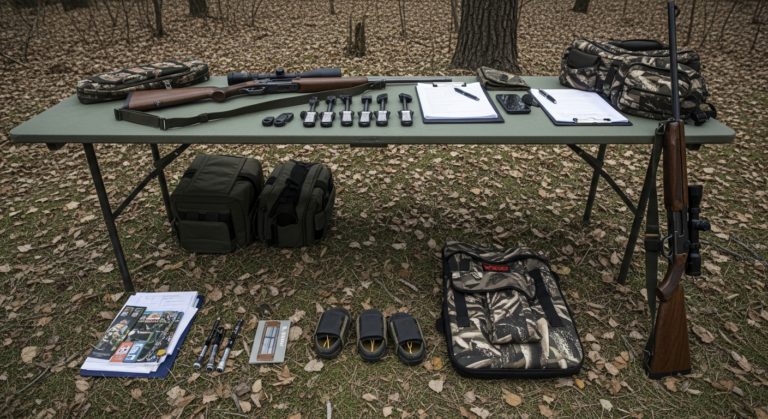
Rifle hunters also have a specific set of maintenance tasks. Rifles should be cleaned and oiled thoroughly, ensuring all moving parts function smoothly and are free from corrosion. Scope mounts require careful inspection to confirm they are secure and properly aligned, as even minor shifts can significantly impact accuracy. Before the season begins, it is essential to confirm the rifle’s zero at a shooting range, adjusting as necessary to ensure precise shot placement. This step is non-negotiable for ethical and effective hunting.
For those using broadheads, an often-overlooked but critical step is checking arrow straightness and broadhead alignment. An arrow spinner can be used to identify any wobbles or inconsistencies. A broadhead that is not perfectly straight or aligned can cause erratic arrow flight, leading to poor accuracy and potentially wounding an animal rather than achieving a clean harvest. Ensuring perfect alignment is key to predictable and effective arrow performance.
Personal gear, particularly clothing, also demands careful attention. All hunting clothing should be washed with scent-free detergent to eliminate any human odors that could alert deer. Hunters should also inspect their garments for holes, worn seams, or fading that might compromise their effectiveness or durability. Addressing these issues before the season prevents discomfort and potential exposure in the field.
Footwear preparation is equally important for comfort and safety during long days afield. New hunting boots should be broken in well in advance to prevent blisters and discomfort. Additionally, all footwear should be checked for waterproofing, and any necessary treatments or repairs should be applied to ensure feet remain dry, especially when traversing wet terrain or during inclement weather.
Safety is paramount, particularly when using elevated positions. Treestands, ladder stands, and climbing sticks must be inspected rigorously for any signs of rust, loose fasteners, cracks, or frayed straps. These components are subjected to significant stress and environmental exposure, making pre-season checks critical for preventing accidents. Any compromised equipment must be repaired or replaced immediately.
Complementing stand inspections, a full-body harness is an indispensable safety device. Hunters should test their harness, ensuring it fits correctly and all buckles and straps function as intended. Crucially, it must be used in conjunction with a lifeline, which provides continuous attachment to the tree while ascending, descending, and while in the stand, significantly reducing the risk of falls.
Modern navigation tools have become essential for hunters. Handheld GPS units should be fully charged, and their batteries checked for optimal performance. Alternatively, hunters relying on smartphone applications should download and update their mapping apps, ensuring all necessary maps for their hunting areas are stored offline in case of lost cellular service. Familiarity with these tools before entering the woods is key.
Protection against tick-borne illnesses is another vital consideration, especially during the warmer months and early fall. Treating hunting clothing with permethrin, an insecticide, can provide effective protection against ticks and other biting insects. This proactive measure helps prevent diseases such as Lyme disease and Rocky Mountain spotted fever, which are prevalent in many hunting regions.
Strategic stand placement is a cornerstone of successful deer hunting. The guide recommends identifying natural pinch points, funnels, creek crossings, and staging areas near food sources or bedding locations. These topographical features naturally direct deer movement, increasing the likelihood of encountering game within shooting range. Understanding these patterns is crucial for effective stand setup.
Particular attention should be paid to locations where bucks feel secure moving during daylight hours. These areas often include dense cover, travel corridors that offer concealment, or terrain features that provide a sense of safety. Identifying these specific spots, often through a combination of map scouting and on-the-ground reconnaissance, can significantly improve hunting prospects.
Timing and technique for hanging stands are also critical. Stands should be hung as early as possible before the season to allow deer to acclimate to their presence and to minimize disturbance. When trimming shooting lanes, a conservative approach is best to reduce noise and avoid excessive exposure of the stand. Using quiet, scent-free methods throughout the entire setup process helps maintain the element of surprise.
Map scouting offers a powerful way to understand terrain and deer movement without physically disturbing the hunting area. Hunters should study contour lines to identify saddles, ridges, and draws, which often serve as natural travel routes for deer. Understanding these elevation changes can reveal optimal stand locations and predict deer behavior.
Identifying water sources is another key aspect of map scouting. Creeks, ponds, and low spots can indicate areas where deer will frequent, especially during dry periods or in the heat of summer. Marking these features on a map helps in planning routes and stand placements, particularly when considering the availability of essential resources for deer.
Satellite maps are invaluable for marking agricultural fields, oak stands, and natural browse areas. These food sources are magnets for deer, and understanding their location and proximity to bedding areas is fundamental to patterning deer movement. Overlaying this information with topographical data provides a comprehensive view of the hunting landscape.
Finally, map scouting should include evaluating trailheads and access points. Planning entry and exit routes that avoid spooking deer is crucial. Different wind conditions may necessitate different routes, and having pre-planned options ensures hunters can approach and leave their stands discreetly, minimizing their impact on the deer’s natural patterns.
The Xtra mapping add-on, available for REVEAL plans starting at $4 per month, offers enhanced features for detailed map scouting. This service provides access to property boundaries, property information, and property access details, including landowner names and addresses, which is invaluable for private land hunting. It also includes shape and path drawing tools, custom pins for marking points of interest, and on-the-ground navigation tools to guide hunters precisely to their desired locations.
Trail cameras are powerful tools for inventorying deer populations and patterning their movements. Suggested locations for deployment include mineral licks, which are often frequented by deer for essential nutrients, allowing for early season inventory and patterning. These cameras provide valuable insights into the number and quality of deer in an area.
Another effective placement for trail cameras is along bedding-to-feeding trails. Deer typically move between these areas during dawn and dusk, and cameras positioned here can capture consistent movement patterns. Similarly, field edges and corners are ideal for monitoring evening movement as deer emerge from cover to feed in agricultural fields or natural browse areas.
Water sources also represent prime locations for trail camera deployment, particularly on hot days or during the rut when deer are more active and require hydration. Capturing images at water sources can reveal deer activity during times when they might otherwise be less visible, providing a more complete picture of their presence.
Ensuring reliable power for trail cameras is essential for continuous monitoring. Recommended power options include a lithium cartridge, which offers extended battery life, a solar panel or folding solar panel for renewable energy in sunny locations, and a battery belt for additional capacity, especially in remote areas where frequent battery changes are impractical.
Before deploying any trail camera, several preparatory steps are advised. All batteries should be fully charged to ensure maximum operational time. If SD cards are used, they should be formatted and labeled clearly to avoid confusion and ensure proper data storage. This prevents data corruption and makes retrieval more organized.
Once in the field, it is important to test the camera’s field of view, motion activation, flash, and other settings to ensure it is capturing images as intended. For cellular cameras, activation and updating before leaving home are critical to ensure they can transmit images effectively. Using the most recent version of the REVEAL app further enhances functionality and connectivity.
Notably, Ultra and REVEAL 3.0 series cameras are equipped with internal memory, making SD cards optional. This feature provides an alternative storage solution and can be particularly useful in situations where SD card management might be challenging or when a backup storage option is desired.
Beyond hunting-specific gear, general camping equipment also requires inspection. Tents and campers should be checked for wear, missing stakes, cracked poles, or any other missing items that could compromise shelter. Addressing these issues beforehand ensures a comfortable and secure base camp.
Sleeping gear should also be prepared. Sleeping bags and pillows should be washed or aired out to ensure they are clean and fresh for use. This simple step contributes significantly to comfort and hygiene during multi-day hunting trips.
For cooking in the field, camping stove fuel canisters should be filled, and all cutlery and cooking utensils checked to ensure everything is present and accounted for. A well-stocked and functional camp kitchen is vital for sustaining hunters during their time outdoors.
Personal preparation extends to physical and mental readiness. Practicing shooting in hunting clothes helps hunters become accustomed to the feel and movement restrictions of their gear, ensuring they can perform effectively when it counts. This simulates real-world conditions more closely than practicing in casual attire.
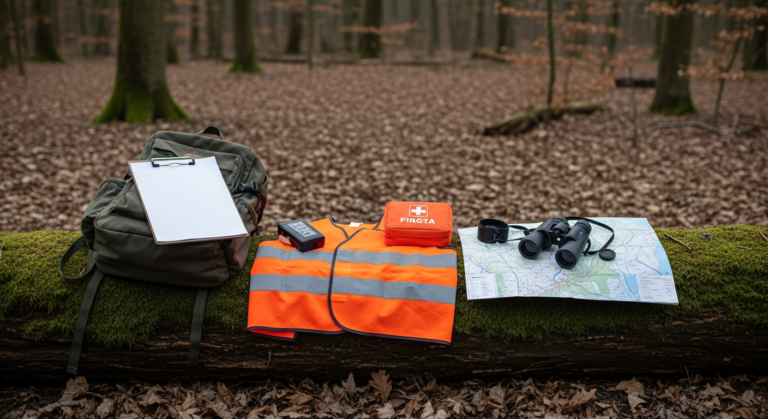
Finally, a well-packed hunting pack is essential. It should include tags, snacks for energy, sufficient water for hydration, a valid hunting license, and a comprehensive first-aid kit for any minor injuries or emergencies. These items are non-negotiable for safety and compliance.
For those hunting on private land, coordinating plans with landowners well in advance is crucial. This includes discussing access routes, specific hunting areas, and any particular rules or considerations the landowner may have. Clear communication fosters good relationships and ensures a smooth hunting experience.
Physical conditioning is also a key component of preseason preparation. Getting in shape for long hikes and climbs, particularly in challenging terrain, can make a significant difference in a hunter’s endurance and ability to access remote hunting spots. Regular exercise and conditioning help prevent fatigue and enhance overall performance in the field.
Why it matters in Irmo
For many residents of Irmo, deer hunting is a deeply ingrained tradition and a significant recreational pursuit that connects them to the natural landscapes of Lexington County and the broader Midlands region. The detailed preparation outlined in this guide directly impacts the safety and success of these local hunters, many of whom frequent nearby areas like Harbison State Forest or private lands bordering the Lower Saluda River. Ensuring proper equipment maintenance and strategic planning not only enhances the individual hunting experience but also contributes to responsible wildlife management practices. The readiness of Irmo’s hunting community, including those employed by Lexington Medical Center or Lexington-Richland School District Five who pursue this pastime, is a testament to the region’s outdoor heritage and the importance placed on ethical and prepared engagement with nature. This comprehensive approach helps sustain the tradition for future seasons and ensures that hunting remains a safe and respected activity in the Irmo area.