As anglers venture onto Lake Murray and other local waterways, a comprehensive guide has been released detailing critical safety measures necessary for navigating the intense summer conditions. The resource addresses a range of concerns, from mitigating sun exposure and preventing dehydration to recognizing and responding to heat-related illnesses.
One of the primary concerns for summer fishing is sun exposure, particularly given that water surfaces can reflect a significant portion of ultraviolet (UV) radiation, increasing an angler’s overall exposure by up to 15%. The guide highlights that the sun’s rays are strongest between 10 AM and 4 PM, making these hours particularly hazardous for prolonged outdoor activity. To combat this, broad-spectrum sunscreen with an SPF of at least 30 is recommended, with a preference for SPF 50 or higher for those anticipating extended periods on the water. Proper application is crucial: sunscreen should be applied approximately 30 minutes before heading outdoors and reapplied every two hours, or more frequently if sweating heavily or after splashing in the water.
Beyond topical protection, physical barriers are strongly advised. Lightweight, long-sleeved clothing with a UPF (Ultraviolet Protection Factor) rating can significantly reduce skin exposure to harmful UV rays. Light-colored garments are also recommended, as they reflect sunlight more effectively than darker colors, helping to keep the wearer cooler. A wide-brimmed hat, offering at least four inches of coverage around the entire head, provides crucial shade for the face, ears, and neck. Polarized sunglasses that offer 100% UV protection are essential for safeguarding eye health, preventing glare, and improving visibility on the water.
Hydration is another cornerstone of summer safety. The guide stresses the importance of proactive fluid intake, recommending that anglers begin hydrating the night before a planned outing. During active fishing, it is advised to drink at least eight ounces of water every 15 to 20 minutes. Beverages high in caffeine or alcohol should be avoided, as they can contribute to dehydration rather than alleviate it. Early signs of dehydration include increased thirst, a dry mouth, decreased urination, and general fatigue. As dehydration progresses, more severe symptoms such as dizziness, a rapid heartbeat, and confusion can manifest, indicating a more serious condition requiring immediate attention.
Understanding the signs of heat-related illnesses is paramount for all outdoor enthusiasts. Heat exhaustion, a less severe but still serious condition, is characterized by heavy sweating, weakness, nausea, headache, and muscle cramps. If someone exhibits these symptoms, they should be moved to a shaded area, have any excess clothing removed, and be cooled with water applied to the skin. If conscious and able to swallow, they should be given cool fluids to drink. Heat stroke, however, is a medical emergency. Its warning signs include a dangerously high body temperature, typically above 103°F, an altered mental state, hot and dry skin (though sweating may still occur), a rapid pulse, and potential unconsciousness. In any suspected case of heat stroke, an immediate call to 911 is critical, and aggressive cooling measures should be initiated while awaiting emergency medical services.
For those venturing onto the water in boats, specific precautions are necessary. Before departure, anglers should thoroughly check their engine cooling system to prevent overheating and ensure all safety equipment, such as life jackets and fire extinguishers, is in good working order. Filing a float plan with a trusted contact, detailing the intended route and expected return time, provides a crucial safety net. Carrying extra water is non-negotiable; the guide recommends having at least one gallon of water per person per day available for emergencies. A VHF radio is also a vital piece of communication equipment, especially in areas with unreliable cell service. Additionally, carrying a charged cell phone in a waterproof case and knowing the locations of nearby medical facilities are prudent steps.
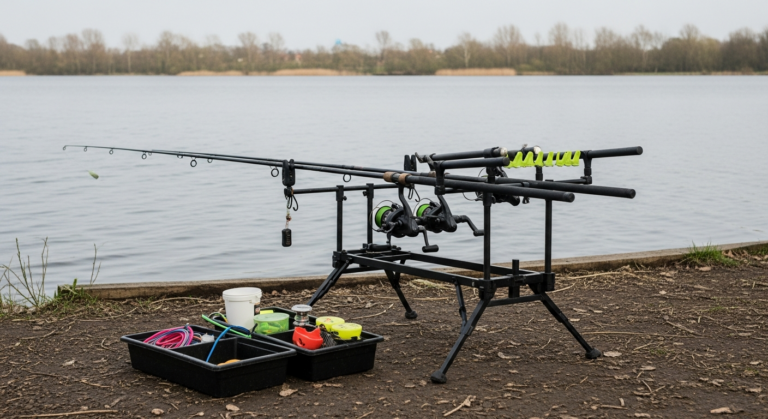
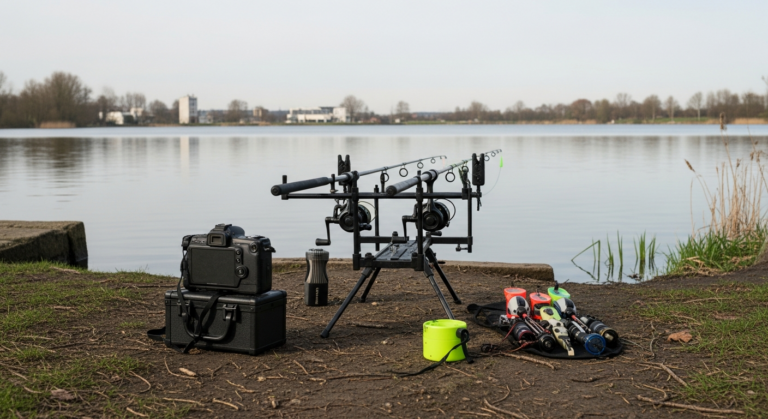
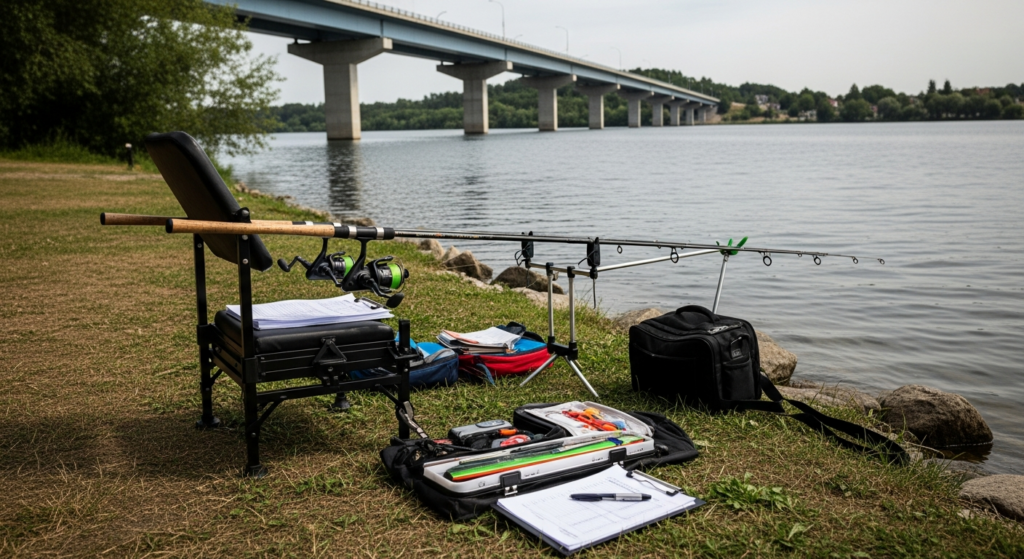
Summer heat and UV exposure can also take a toll on fishing gear. Prolonged exposure can weaken rod guides, degrade fishing line, and warp tackle boxes. To mitigate this damage, equipment should be kept shaded whenever possible. Anglers are also advised to check their fishing line more frequently for signs of wear and tear, as UV degradation can compromise its strength. Other practical tips include using shade structures like bimini tops on boats or portable canopies on shore, and ensuring any umbrellas are securely anchored to prevent them from being blown away by wind. When handling hooks, drying sweaty hands beforehand can prevent slips, and using pliers or hook removers can minimize direct contact and potential injury. Hooks should be stored in organized tackle boxes to prevent accidental punctures.
For anglers in different environments, additional considerations apply. Those fishing in saltwater should rinse their skin and gear with fresh water after an outing to remove corrosive salt residue. While Irmo is not a high-altitude area, the guide notes that high-altitude anglers should increase their sun protection due to thinner atmospheres. Urban anglers, however, may find relevance in the advice to plan for additional cooling, as concrete and asphalt surfaces in areas like the Harbison Boulevard corridor can reflect heat, creating hotter microclimates with limited natural shade. Regardless of the setting, informing someone of your location and expected return time, carrying a charged phone, and having emergency contacts readily available are universal best practices.
Why it matters in Irmo
The extensive network of waterways surrounding Irmo, most notably Lake Murray and the Lower Saluda River, makes fishing a popular recreational activity throughout the summer months. Residents frequenting these areas, as well as local parks like Saluda Shoals Park, directly benefit from understanding these safety guidelines. Employers such as Dominion Energy, which operates the Lake Murray Dam, and Lexington Medical Center, with its Irmo Medical Park, are integral parts of a community where outdoor recreation is common. Adhering to these precautions helps ensure that local emergency services, including those from Lexington County, are not unnecessarily strained by preventable heat-related incidents, allowing Irmo residents to enjoy the natural beauty of the region safely and responsibly.