
Irmo, February 16, 2026
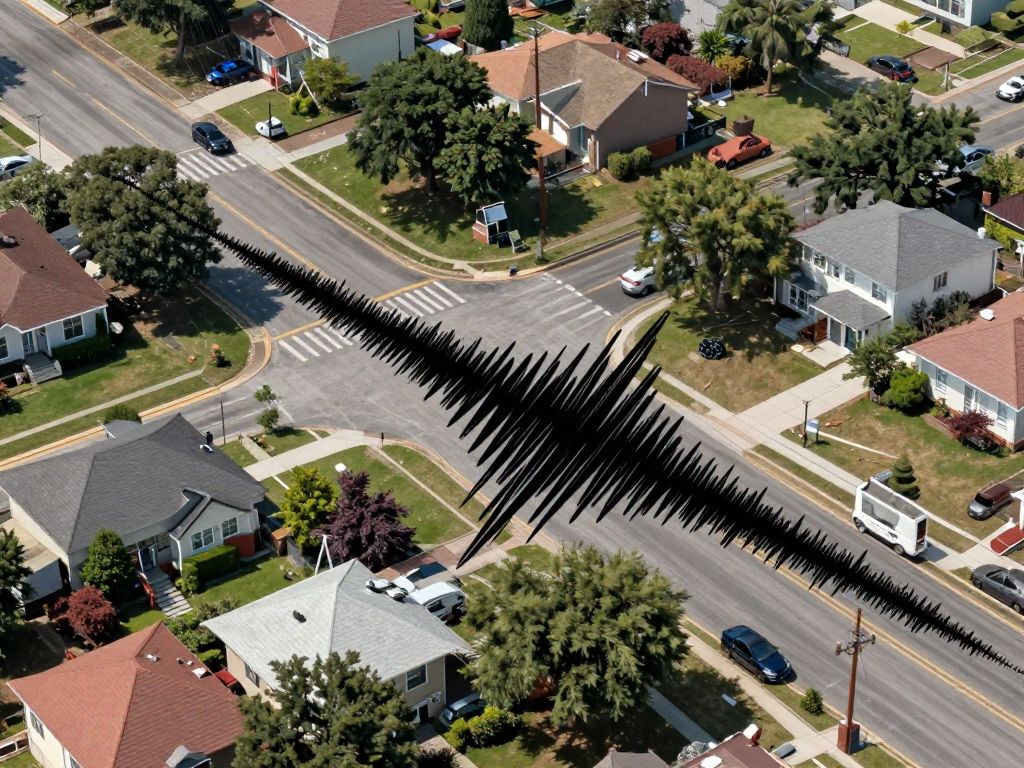
Residents in Irmo and the surrounding Lake Murray area experienced a magnitude 2.8 earthquake that occurred on February 13, 2026. The quake, confirmed by the U.S. Geological Survey, was felt across neighborhoods, but no injuries or damage have been reported. South Carolina is known for its seismic activity, having a history of minor earthquakes, making this event a reminder of the geological processes in the region.
Irmo, South Carolina – Recent Earthquakes Rattle Lake Murray Area
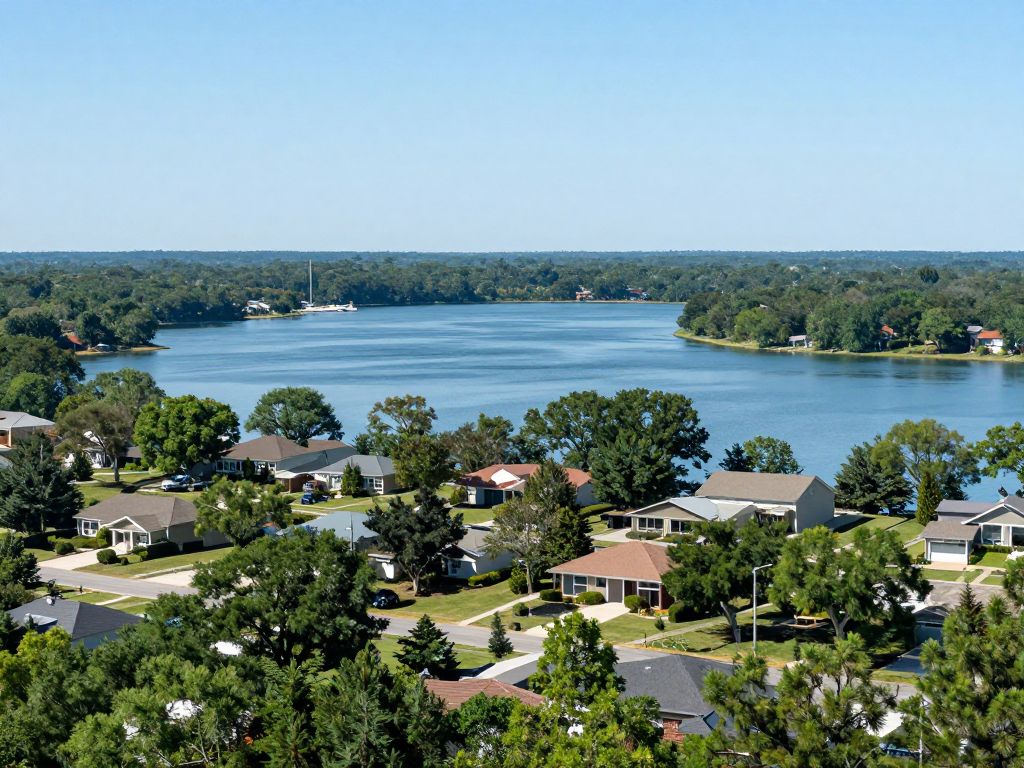
A magnitude 2.8 earthquake was reported on Friday, February 13, 2026, rattling residents in Irmo and the surrounding Lake Murray area of Lexington County, South Carolina. The seismic event occurred at approximately 6:43 p.m. Eastern Standard Time (EST), with its epicenter located near the north side of Lake Murray, approximately 4 kilometers west-southwest of Irmo. This tremor, confirmed by the U.S. Geological Survey (USGS), follows recent seismic activity experienced in the region.
Details of the Tremor
The earthquake struck at a relatively shallow depth of about 3.9 kilometers (approximately 2.4 miles) below the Earth’s surface. This shallow depth likely contributed to the event being widely felt by residents in Irmo, Lake Murray, Seven Oaks, Lexington, and parts of Columbia. Early reports submitted to the USGS indicated weak shaking across the affected areas. Despite the noticeable shaking, earthquakes of this magnitude are generally considered minor and are not typically associated with causing damage. As of early Saturday morning, there were no immediate reports of injuries or structural damage.
The epicenter, initially estimated to be north of Hollywood Point and Yacht Cove areas of Lake Murray, was later refined by authorities to be closer to North Lake Drive as seismic data was further analyzed.
South Carolina’s Seismic Activity
South Carolina is recognized as one of the most seismically active states east of the Mississippi River. The state typically records between 10 to 20 earthquakes annually, with approximately two to five of these tremors being felt by residents each year. The majority of these events are minor, registering below magnitude 3.0, and often go unnoticed.
Approximately 70 percent of South Carolina’s earthquakes originate within the Middleton Place-Summerville Seismic Zone, located in the Coastal Plain region. While the Lake Murray area is distinct from this primary zone, it is also known to experience seismic activity.
Understanding East Coast Earthquakes
Earthquakes in South Carolina, like others in the eastern United States, are categorized as intraplate earthquakes. This means they occur within the North American tectonic plate, rather than at its boundaries where most global seismic activity takes place. These events are thought to be caused by the reactivation of ancient, geologically old fault systems deep within the Earth’s crust, which are subjected to ongoing stress buildup.
A distinguishing characteristic of East Coast earthquakes is their tendency to be felt over a significantly broader area compared to West Coast earthquakes of similar magnitude. This phenomenon is attributed to the older, colder, and more solid bedrock found beneath the eastern U.S., which is more efficient at transmitting seismic waves across greater distances. In contrast, the more fractured and warmer crust of the West Coast tends to absorb seismic energy more quickly.
Historical Context
South Carolina has a notable history of seismic events, with the most significant being the 1886 Charleston earthquake. This powerful earthquake registered a moment magnitude of 7.3 and remains the largest and most destructive seismic event to occur in the southeastern United States. It resulted in substantial damage and numerous fatalities.
Other historical tremors impacting the state include the 1913 Union County earthquake, which would likely be classified as a magnitude 4.1 event by modern standards. In more recent times, Kershaw County experienced a swarm of over 80 earthquakes between late 2021 and most of 2022, with several exceeding magnitude 2.5.
While the recent tremors near Irmo are minor, they serve as a reminder of the dynamic geological processes beneath the state and the importance of public awareness regarding earthquake preparedness.
Frequently Asked Questions (FAQ)
What was the magnitude of the earthquake near Irmo?
A magnitude 2.8 earthquake was reported near Irmo, South Carolina.
When did the earthquake near Irmo occur?
The earthquake occurred on Friday, February 13, 2026, at approximately 6:43 p.m. Eastern Standard Time (EST).
Where was the epicenter of the earthquake?
The epicenter was located near the north side of Lake Murray, approximately 4 kilometers west-southwest of Irmo in Lexington County, South Carolina.
Did the earthquake cause any damage or injuries?
No immediate reports of injuries or structural damage were noted following the earthquake.
How common are earthquakes in South Carolina?
South Carolina is one of the most seismically active states east of the Mississippi River, with approximately 10 to 20 earthquakes recorded annually, and two to five felt each year.
Why are East Coast earthquakes felt over a wider area?
East Coast earthquakes are felt over a wider area because the Earth’s crust beneath the eastern U.S. is older, colder, and more solid, allowing seismic waves to travel more efficiently over greater distances.
Key Features of Earthquakes in South Carolina
| Feature | Description | Geographic Scope |
|---|---|---|
| Recent Event Magnitude | 2.8 | State-level |
| Recent Event Date & Time | February 13, 2026, 6:43 p.m. EST | State-level |
| Recent Event Epicenter | Near Irmo, Lake Murray, Lexington County | State-level |
| Seismic Activity Level | One of the most seismically active states east of the Mississippi River | State-level |
| Annual Recorded Earthquakes | 10 to 20 | State-level |
| Annual Felt Earthquakes | 2 to 5 | State-level |
| Most Active Seismic Zone | Middleton Place-Summerville Seismic Zone (70% of quakes) | State-level |
| Largest Historical Earthquake | 1886 Charleston earthquake (Magnitude 7.3) | Nationwide |
| Earthquake Type | Intraplate earthquakes | Nationwide |
| Wave Propagation | Felt over a broader area due to older, colder, more solid bedrock | Nationwide |
Deeper Dive: News & Info About This Topic
HERE Resources
Irmo, South Carolina Experiences Latest Seismic Activity
Irmo Community Reacts to Lake Murray Earthquake
Irmo Experiences 2.8 Magnitude Earthquake
Minor Earthquake Hits Near Irmo, South Carolina
South Carolina Experiences 2.4 Magnitude Earthquake
Brilliant Fireball Lights Up Southeastern Skies
South Carolina Experiences 2.3 Magnitude Earthquake
Minor Earthquake Shakes South Carolina Early Morning
4.1-Magnitude Earthquake Shakes Southeastern U.S.
Elgin, South Carolina Shaken by 2.3 Magnitude Earthquake

Author: STAFF HERE IRMO
The IRMO STAFF WRITER represents the experienced team at HEREIrmo.com, your go-to source for actionable local news and information in Irmo, Lexington and Richland Counties, and beyond. Specializing in "news you can use," we cover essential topics like product reviews for personal and business needs, local business directories, politics, real estate trends, neighborhood insights, and state news affecting the area—with deep expertise drawn from years of dedicated reporting and strong community input, including local press releases and business updates. We deliver top reporting on high-value events such as the Irmo Okra Strut Festival, Harbison Community Events, and local sports tournaments at the Palmetto Health Credit Union Foundation Stadium. Our coverage extends to key organizations like the Irmo Chapin Recreation Commission and the Lexington Chamber and Visitors Center, plus leading businesses in retail and healthcare that power the local economy such as Village at Sandhill and Lexington Medical Center. As part of the broader HERE network, including HEREAiken.com, HEREBeaufort.com, HEREChapin.com, HERECharleston.com, HEREClinton.com, HEREColumbia.com, HEREGeorgetown.com, HEREGreenwood.com, HEREGreenville.com, HEREHiltonHead.com, HEREIrmo.com, HEREMyrtleBeach.com, HERENewberry.com, HERERockHill.com, and HERESpartanburg.com, we provide comprehensive, credible insights into South Carolina's dynamic landscape.