

How to Choose the Best Roof Shape for Your Home’s Functionality and Style
Understanding Roof Shapes
Selecting the right roof shape is crucial in defining both the aesthetics of your home and its functionality. Roofs are not merely protective coverings; they significantly influence energy efficiency, interior space, and overall visual appeal.
Manufacturers and architects have developed various roof shapes throughout history. This variety caters to diverse environments, climates, and architectural styles. The following details explore common roof shapes, their advantages, and considerations for your home.
Popular Roof Shapes
1. Gable Roof
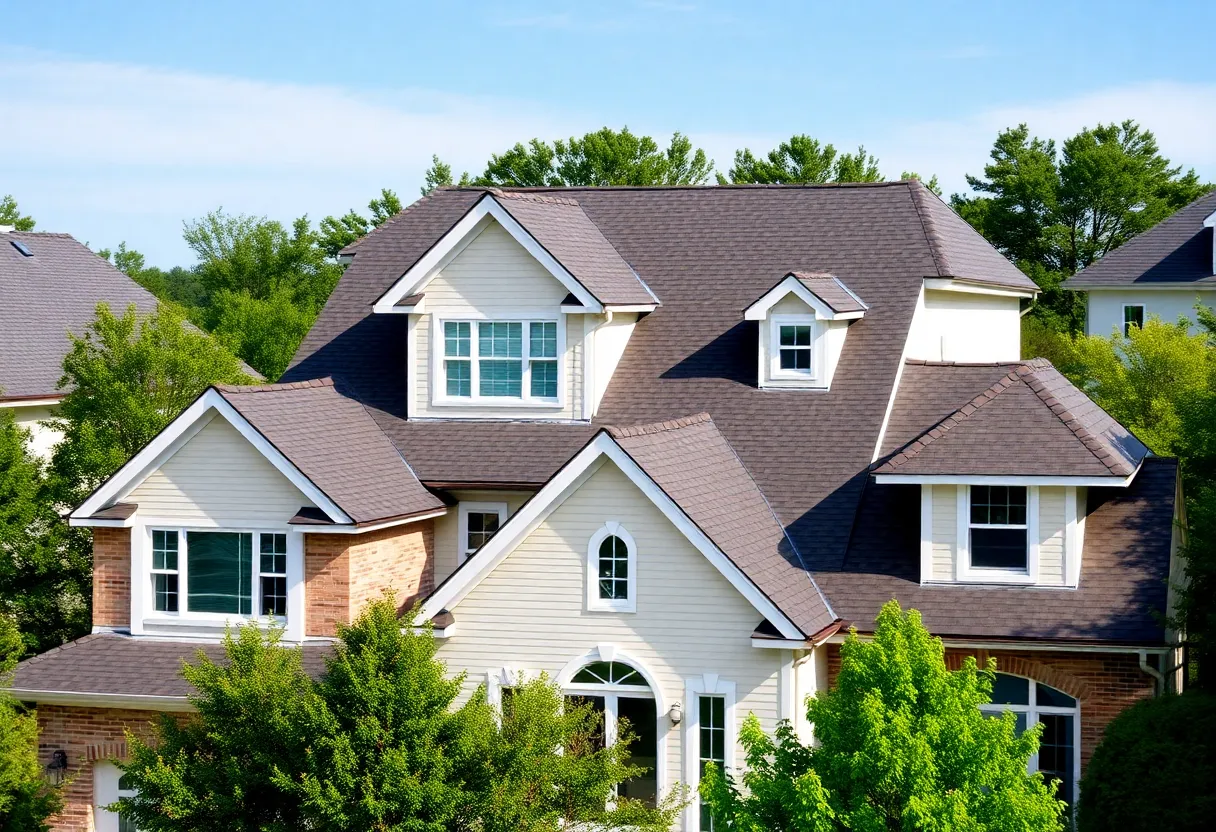
The gable roof, characterized by two sloping sides that come together at a peak, is one of the most recognized styles. Its simplicity makes it cost-effective to construct.
Advantages:
– Excellent water drainage, essential in rainy climates.
– Provides ample attic space, which can be utilized for storage or converted into living space.
– Enhances ventilation in warmer regions.
Considerations:
– Gable roofs can be susceptible to high winds if not constructed properly.
– May lack aesthetic appeal for contemporary or modern designs.
2. Hip Roof
A hip roof has slopes on all four sides, converging at the top. This design often offers greater stability compared to gable roofs.
Advantages:
– Stability against windy conditions.
– Offers more attic space than many designs.
– Works well in snow-prone areas due to effective snow shedding.
Considerations:
– More expensive than gable roofs due to increased complexity in construction.
– Reduced headroom in the attic compared to gable roofs.
3. Flat Roof
Flat roofs feature a level surface with minimal pitch. They are often found on commercial buildings but can also suit contemporary residential designs.
Advantages:
– Cost-effective and straightforward to construct.
– Provides space for rooftop gardens, solar panels, or outdoor furniture.
– Easy access for maintenance.
Considerations:
– Prone to water pooling, requiring proper drainage solutions.
– Limited aesthetic appeal to traditional home designs.
4. Shed Roof
A shed roof is a single sloping plane. This design often conveys a modern aesthetic, making it popular in contemporary architecture.
Advantages:
– Allows for high ceilings, creating a spacious feeling indoors.
– Excellent for rainwater runoff.
– Versatile for different architectural styles.
Considerations:
– Limited to structures that can accommodate a suitable slope.
– May not be ideal in areas with heavy snowfall.
5. Mansard Roof
The mansard roof features four slopes, two on each side with the lower slopes being steeper. This design allows for maximum height and living space.
Advantages:
– Provides extra living space, making it ideal for urban homes.
– Enhances visual interest and can be adapted to various styles.
Considerations:
– More complex construction may increase costs.
– Requires careful maintenance to prevent leaks at the seams.
Factors Influencing Your Roof Shape Choice
Choosing the right roof shape requires considering several factors beyond aesthetics alone. Below are critical aspects to weigh in your decision-making process.
1. Climate
Understanding the climate of your location is vital. A steep gable roof is ideal for areas with heavy snowfall, while flat roofs may be more suitable for warmer, arid climates.
2. Architectural Style
Your home’s architectural style plays a significant role in determining the appropriate roof shape. Traditional homes often benefit from gable or hip roofs, whereas modern constructions may favor flat or shed roofs.
3. Budget
The roof shape directly affects construction costs. Simplicity in design can lead to lower expenses. However, investing in a complex shape may yield long-term benefits in functionality and aesthetic appeal.
4. Roof Longevity
Analyze the materials used in roofing as different shapes affect durability. Mansard roofs may require more maintenance due to their design complexity compared to simpler gable roofs.
5. Local Regulations and HOA Guidelines
Research local building codes and Homeowners’ Association (HOA) guidelines. They may restrict certain roof styles based on neighborhood aesthetics or local requirements.
Energy Efficiency Considerations
A roof is more than just a protective layer; it significantly contributes to a home’s energy efficiency. Choosing the right roof shape can optimize energy consumption.
1. Ventilation
Roofs that promote better airflow can reduce the need for heating and cooling. Gables and hips typically allow for better ventilation than flat roofs.
2. Natural Lighting
Roof shapes that incorporate windows or skylights, like a shed roof, can enhance natural lighting indoors. This reduces dependence on artificial lighting, thus saving energy.
3. Insulation
Select roof shapes that promote optimal insulation. Steep roofs with proper insulation layers can effectively regulate indoor temperatures, contributing to energy savings year-round.
Conclusion
Choosing the best roof shape for your home is a nuanced decision that impacts both functionality and style. From gable to mansard designs, each type brings unique advantages and challenges.
Consider climate, architectural style, budget, and energy efficiency as cornerstones of your decision. Avoid rushing to conclusions and involve professionals when necessary. A well-thought-out roof shape will not only enhance your home’s curb appeal but also optimize performance, ensuring a comfortable and sustainable living environment for years to come.
Ultimately, investing in the right roof shape is a critical step in the journey of creating a harmonious and functional living space. Take the necessary time to weigh your options. Quality design and construction pave the way for a successful home.

Author: STAFF HERE IRMO
The IRMO STAFF WRITER represents the experienced team at HEREIrmo.com, your go-to source for actionable local news and information in Irmo, Lexington and Richland Counties, and beyond. Specializing in "news you can use," we cover essential topics like product reviews for personal and business needs, local business directories, politics, real estate trends, neighborhood insights, and state news affecting the area—with deep expertise drawn from years of dedicated reporting and strong community input, including local press releases and business updates. We deliver top reporting on high-value events such as the Irmo Okra Strut Festival, Harbison Community Events, and local sports tournaments at the Palmetto Health Credit Union Foundation Stadium. Our coverage extends to key organizations like the Irmo Chapin Recreation Commission and the Lexington Chamber and Visitors Center, plus leading businesses in retail and healthcare that power the local economy such as Village at Sandhill and Lexington Medical Center. As part of the broader HERE network, including HEREAiken.com, HEREBeaufort.com, HEREChapin.com, HERECharleston.com, HEREClinton.com, HEREColumbia.com, HEREGeorgetown.com, HEREGreenwood.com, HEREGreenville.com, HEREHiltonHead.com, HEREIrmo.com, HEREMyrtleBeach.com, HERENewberry.com, HERERockHill.com, and HERESpartanburg.com, we provide comprehensive, credible insights into South Carolina's dynamic landscape.
 Mays Contracting