

How to Easily Identify Signs of Roof Wear and Tear: A DIY Guide for Homeowners
Understanding your roof’s condition is crucial for preserving your home’s integrity. Recognizing the signs of roof wear and tear can save homeowners from expensive repairs or premature roof replacements. This guide aims to help you identify common indicators of roof deterioration through a straightforward DIY approach.
Understanding Roof Wear and Tear
Over time, roofs endure exposure to various environmental factors, leading to natural wear and tear. Common contributors include:
- Weather conditions such as rain, snow, and UV exposure.
- Moisture accumulation from leaks or inadequate ventilation.
- Biological growth such as moss or algae.
- Physical damage from falling debris or extreme winds.
Identifying the signs of deterioration is the first step toward addressing any issues effectively. Here’s a comprehensive look at what to look for.
Visible Roof Damage
Shingles
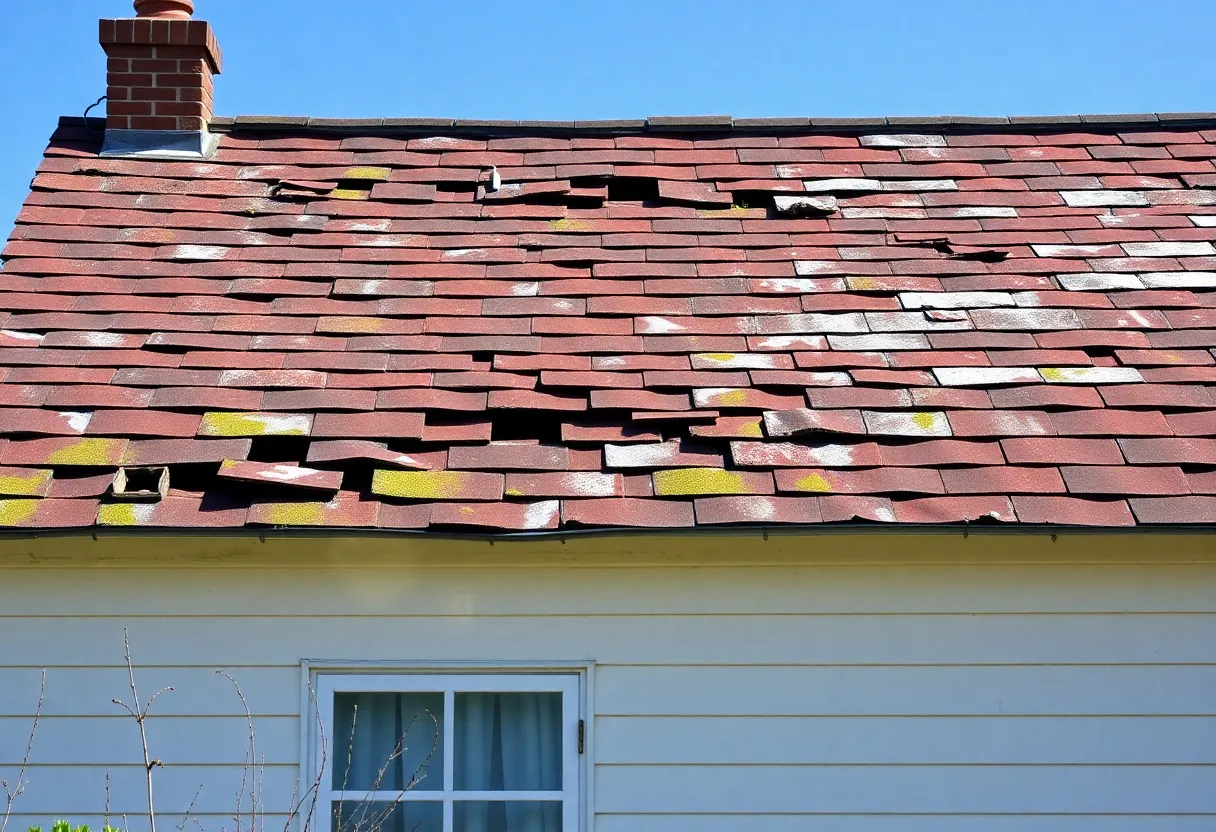
Missing shingles are a clear sign that your roof may be at risk. Inspect your roof for any spots where shingles are absent. Additionally, look for:
- Curled or buckled shingles: These indicate age or potential water damage.
- Cracked shingles: Small cracks suggest deterioration, while large cracks may increase leak risk.
- Granule loss: If you find granules in your gutters, this may signal that the shingles are wearing out.
Flashing and Seals
Flashing is the material used to seal roof joints and penetrations. Inspect areas around vents, chimneys, and skylights. Look for:
- Rust or corrosion: This can weaken the flashing.
- Loose or missing flashing: An inadequate seal invites water leaks.
- Damaged seals: Observe caulking or seals that appear cracked or broken.
Interior Signs of Roof Damage
Sometimes, the signs of roof wear and tear are visible from inside your home. Regularly check for:
Ceiling and Walls
- Water stains: Yellow or brown spots on ceilings or walls often indicate roof leaks.
- Bubbles or peeling paint: This may signal moisture accumulation, likely linked to roof damage.
- Mold growth: Fungus thriving on walls typically results from persistent moisture buildup.
Attic Inspection
Perform periodic inspections of your attic. Look for:
- Light shining through: If you see light coming through, your roof has holes or gaps.
- Visible water stains: Note any signs of dampness on rafters or insulation material.
- Odor: A musty smell may indicate mold or moisture issues.
Signs of Structural Damage
Check for structural integrity. Look for:
Uneven Roofline
Sagging areas could indicate structural issues. If you notice any dips or irregularities, consult a professional promptly.
Gutters and Downspouts
Gutters are essential for channeling water away. Inspect for:
- Cracks or holes: Damaged gutters may lead to water pooling on the roof.
- Debris build-up: Blocked gutters can create a backup, risking overflow and potential leaks.
- Leaks: Any leaks around the seams suggest poor construction or wear.
Weather Impact Analysis
Different weather conditions affect roofs differently. Here’s what to consider:
Wind Damage
During storms, winds can lift shingles or damage flashing. After severe weather, check your roof for:
- Peeled-back shingles: They can often be repaired, but thorough inspection is necessary.
- Debris accumulation: Branches or shingles scattered can signify wind damage.
Humidity and Rain
Prolonged wet conditions can result in mold and algae growth. Look for:
- Dark streaks: Black stains on shingles suggest algae presence.
- Moss development: Indicates moisture retention, impacting the roof’s lifespan.
Seasonal Inspections
Conducting regular inspections throughout the seasons will help you catch early signs of wear and tear. Consider these key times for inspections:
- Fall: Clear debris from gutters and check for winter-related concerns.
- Winter: In snow-prone areas, inspect for ice dams and sagging.
- Spring: Remove leftover debris, and check for moisture and leaks after thawing.
- Summer: Verify roof conditions before severe weather hits.
Tools Needed for Inspection
Having the right tools on hand will make your inspection easier. Essential tools include:
- Binoculars: Perfect for inspecting hard-to-reach areas from the ground.
- Ladder: For closer inspections; ensure it is stable and placed correctly.
- Flashlight: Useful for inspecting dark attic spaces.
- Measuring tape: For checking shingles and gaps accurately.
When to Call a Professional
While many of these inspections can be conducted yourself, some signs require expertise. Contact a roofing professional if you notice:
- Extensive water damage: Pervasive leaks could indicate a larger issue.
- Severe structural damage: Sagging or uneven roofs must be handled by experts.
- Age-related concerns: If your roof is over 20 years old, a professional assessment is advisable.
Conclusion
Regularly identifying signs of roof wear and tear can lead to significant savings and peace of mind. A proactive approach will help to extend the life of your roof and ensure your home remains well-protected. Always maintain vigilance, conduct thorough inspections, and don’t hesitate to consult a professional for comprehensive evaluations.

Author: STAFF HERE IRMO
The IRMO STAFF WRITER represents the experienced team at HEREIrmo.com, your go-to source for actionable local news and information in Irmo, Lexington and Richland Counties, and beyond. Specializing in "news you can use," we cover essential topics like product reviews for personal and business needs, local business directories, politics, real estate trends, neighborhood insights, and state news affecting the area—with deep expertise drawn from years of dedicated reporting and strong community input, including local press releases and business updates. We deliver top reporting on high-value events such as the Irmo Okra Strut Festival, Harbison Community Events, and local sports tournaments at the Palmetto Health Credit Union Foundation Stadium. Our coverage extends to key organizations like the Irmo Chapin Recreation Commission and the Lexington Chamber and Visitors Center, plus leading businesses in retail and healthcare that power the local economy such as Village at Sandhill and Lexington Medical Center. As part of the broader HERE network, including HEREAiken.com, HEREBeaufort.com, HEREChapin.com, HERECharleston.com, HEREClinton.com, HEREColumbia.com, HEREGeorgetown.com, HEREGreenwood.com, HEREGreenville.com, HEREHiltonHead.com, HEREIrmo.com, HEREMyrtleBeach.com, HERENewberry.com, HERERockHill.com, and HERESpartanburg.com, we provide comprehensive, credible insights into South Carolina's dynamic landscape.
 Mays Contracting