A recently disseminated summer fishing safety guide provides comprehensive recommendations for anglers in Irmo and the broader Midlands region, emphasizing critical precautions against the intense summer conditions. The guide addresses sun exposure, hydration strategies, recognition of heat-related illnesses, and specific measures for boat fishing, particularly relevant for those frequenting Lake Murray and the Lower Saluda River.
One of the primary concerns highlighted is sun protection, given the prolonged exposure anglers often experience on the water. The guide states that the sun’s ultraviolet (UV) rays are at their strongest between 10 AM and 4 PM, a period when many recreational fishing activities occur. Compounding this risk, water surfaces, such as those found on Lake Murray or the various fishing spots along the Lower Saluda River, can reflect up to 15% of UV radiation, effectively increasing an individual’s exposure. To mitigate these risks, the guide strongly recommends using a broad-spectrum sunscreen with a sun protection factor (SPF) of at least 30, with SPF 50 or higher preferred for extended periods on or near the water. It advises applying sunscreen approximately 30 minutes before going outdoors to allow for proper absorption and reapplying it every two hours. For individuals engaged in active fishing, which often involves heavy sweating or splashing, more frequent reapplication is crucial to maintain effectiveness. Beyond topical protection, the guide also suggests wearing lightweight, long-sleeved clothing with a UPF (Ultraviolet Protection Factor) rating, which offers a physical barrier against the sun. A wide-brimmed hat, providing at least four inches of coverage around the head and neck, is also recommended to protect the face, ears, and neck. Polarized sunglasses offering 100% UV protection are essential for safeguarding eyes from both direct and reflected sunlight, which can cause long-term damage and impair vision, a critical factor for safe navigation and fishing.
Hydration is another cornerstone of the safety recommendations, particularly vital during Irmo’s hot and humid summer months. The guide advises anglers to begin hydrating the night before a planned fishing excursion, ensuring their bodies are well-prepared for the demands of outdoor activity in the heat. During active fishing, it recommends consuming at least eight ounces of water every 15 to 20 minutes. This consistent intake helps to replenish fluids lost through sweating and maintain the body’s core functions. The guide explicitly cautions against beverages high in caffeine or alcohol, as these can act as diuretics, accelerating dehydration rather than preventing it. Recognizing the early signs of dehydration is crucial for preventing more severe conditions. These initial indicators include increased thirst, a dry mouth, decreased urination, and general fatigue. If these symptoms are ignored, dehydration can progress to more serious stages, manifesting as dizziness, a rapid heartbeat, and confusion. Anglers experiencing these advanced symptoms are advised to seek shade immediately, rest, and rehydrate, and if symptoms persist or worsen, to consider cutting their trip short and seeking medical attention.
The guide also provides critical information on recognizing and responding to heat-related illnesses, with a particular focus on heat stroke, a medical emergency. Heat stroke symptoms include a body temperature exceeding 103°F, an altered mental state such as confusion, irritability, or disorientation, and skin that may feel hot and dry, though sweating can still occur in some cases. Other severe signs include a rapid pulse and potential unconsciousness. The guide unequivocally states that if heat stroke is suspected, 911 should be called immediately. While awaiting emergency medical services, aggressive cooling measures should be initiated. This involves moving the affected individual to a cooler, shaded environment, removing excess clothing, and applying cool water or ice packs to the skin, particularly to areas with large blood vessels like the neck, armpits, and groin, to help lower body temperature rapidly. The promptness of these actions can significantly impact the outcome for someone suffering from heat stroke.
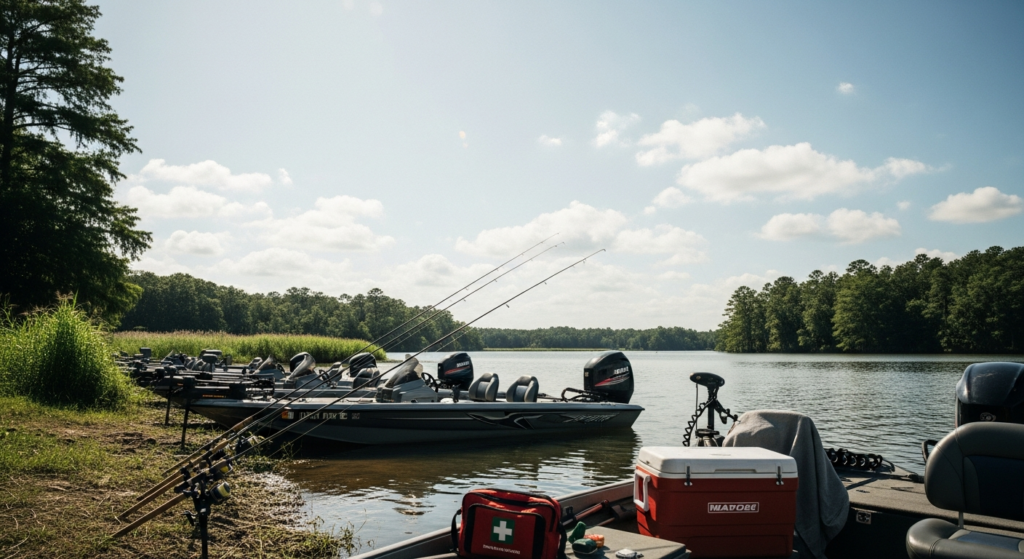
For those venturing onto Lake Murray or other larger bodies of water in Irmo by boat, the guide outlines additional safety protocols. Before departure, it is recommended that boaters thoroughly check their engine cooling system to prevent breakdowns that could leave them stranded in the heat. Filing a float plan with a trusted contact is also advised; this plan should detail the boat’s destination, expected return time, and the number of people on board, allowing for a quicker response in case of an emergency. Carrying extra water is paramount, with the guide suggesting at least one gallon of water per person per day for emergencies, accounting for potential delays or unexpected circumstances. Essential emergency supplies should also include a functioning VHF radio, which offers a more reliable means of communication on the water than cell phones, especially in areas with spotty coverage. These measures are particularly pertinent for Lake Murray, a vast body of water where assistance may not be immediately available, and the summer sun can quickly turn a minor issue into a severe one.
Why it matters in Irmo
This summer fishing safety guide holds particular relevance for Irmo, a community situated at the gateway to Lake Murray and adjacent to the Lower Saluda River, both popular destinations for anglers. With the persistent summer heat in the Midlands, understanding and implementing these safety measures is crucial for the well-being of residents and visitors who frequent these waterways. The recommendations directly impact individuals utilizing local recreational areas like Saluda Shoals Park and the Lake Murray Dam North Recreation Area. Furthermore, local healthcare providers, including Lexington Medical Center — Irmo Medical Park, are prepared to address heat-related emergencies, underscoring the importance of preventative action. Adhering to these guidelines helps ensure that recreational activities remain safe and enjoyable, reducing the strain on emergency services and medical facilities in Irmo during the peak summer season.