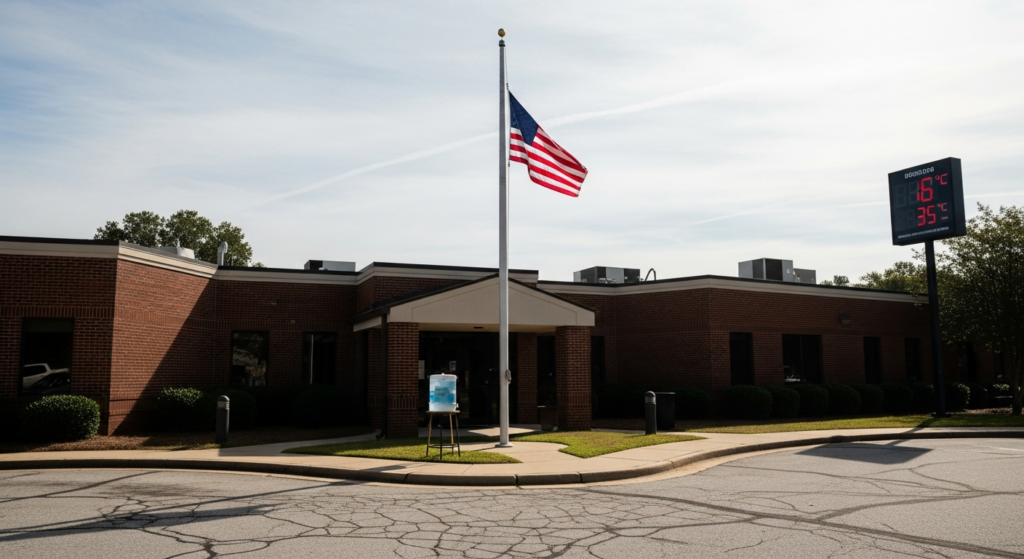
With 294 weather-related excessive heat deaths recorded in the United States in 2023, health authorities are reiterating critical safety guidance for preventing and responding to heat exhaustion and heat stroke, particularly relevant for Irmo residents as summer continues.
The comprehensive guidance outlines specific risks, symptoms, and treatment protocols for these serious heat-related illnesses. People identified as being at higher risk include individuals working outdoors, infants and young children (especially when left in hot vehicles), those aged 65 and older, individuals with pre-existing illnesses or chronic health conditions, those taking certain medications, and people who are overweight.
For those who work outdoors, such as employees of Dominion Energy operating at the Lake Murray dam or staff within Lexington-Richland School District Five, recommended precautions are vital. These include utilizing shorter shifts to allow workers to acclimate to high temperatures, maintaining hydration by drinking fluids before feeling thirsty, and actively monitoring co-workers for any signs of heat exhaustion or heat stroke. Regular breaks for rest and cooling down in shaded or air-conditioned environments are also crucial. The guidance notes that indoor heat stress can also occur, particularly in workplaces near ovens or furnaces, or in facilities without adequate climate controls. A dedicated Heat Stress mobile application is available to assist in assessing job-related risks.
Heat exhaustion, a less severe but still serious condition, can result from excessive loss of water and salt through sweating. Its signs and symptoms include pale, ashen, or moist skin; muscle cramps; fatigue, weakness, or general exhaustion; headache, dizziness, or fainting spells; nausea or vomiting; and a rapid heart rate. Initial treatment for someone experiencing heat exhaustion involves moving them immediately to a shaded area or an air-conditioned space. They should be provided with water or another cool, nonalcoholic beverage. Applying wet towels to the skin or using a cool shower can also help reduce body temperature.
Heat stroke, however, constitutes a medical emergency requiring immediate professional help. The onset of heat stroke is indicated by a body temperature exceeding 103 degrees Fahrenheit. Other critical signs include flushed, dry, and hot skin, typically accompanied by a cessation of sweating. Rapid breathing, severe headache, dizziness, confusion, or other altered mental states are common. Individuals may also exhibit irrational or belligerent behavior, experience convulsions, or become unresponsive. In such cases, prompt action is critical.
Responding to a suspected heat stroke involves calling 911 without delay. While awaiting emergency services, the affected person should be moved to the coolest available place. Any unnecessary clothing should be removed. The most effective immediate cooling method, if feasible and with the assistance of a second rescuer, is to immerse the person up to their neck in cold water. If immersion is not possible, a cold shower or the application of cold, wet towels to the body can be used. Cooling efforts should continue until the body temperature drops to 101 degrees Fahrenheit. Throughout this process, the person’s breathing should be closely monitored, and cardiopulmonary resuscitation (CPR) should be administered if necessary. It is important not to force liquids on someone experiencing heat stroke, apply rubbing alcohol to their skin, or give them pain relievers or salt tablets.
General prevention guidance for all residents of Irmo emphasizes the use of air conditioning whenever possible. Staying hydrated by drinking fluids regularly, even without feeling thirsty, is crucial, while alcoholic beverages should be avoided. Wearing loose-fitting, lightweight clothing, a hat, and sunscreen can offer protection from the sun’s rays. To replenish salts lost through sweating, fruit juice or sports drinks are recommended. Individuals should try to avoid outdoor activities during the hottest part of the day, typically between 11 a.m. and 3 p.m. Pacing physical exertion and taking frequent breaks are also advised. Finally, checking on elderly, house-bound, or otherwise vulnerable neighbors is a vital community practice. This could involve offering them an air-conditioned space, providing transportation to a cooling center, or assisting them in arranging necessary services.
Why it matters in Irmo
The ongoing guidance on heat safety holds particular significance for Irmo, a community where outdoor activities around Lake Murray and in parks like Saluda Shoals Park are popular throughout the summer. Employers such as Dominion Energy, with operations at the Lake Murray dam, and Lexington-Richland School District Five, which employs many outdoor staff, must remain vigilant in protecting their workers. Furthermore, the well-being of vulnerable residents in neighborhoods like Friarsgate and Ascot Estates depends on community awareness and proactive measures to prevent heat-related illnesses, ensuring the health and safety of all Irmo residents.